
Collaboration with European Research Centres continues to promote soil bioremediation
19 de December de 2025We continue moving forward in the research of innovative soil remediation strategies. This time, within the BIOREM project, in collaboration with ICCRAM and Laboratory for Colloid Biology – Jozef Stefan Institute, focused on the treatment of recalcitrant contaminants.
Secondments carried out so far have enabled valuable knowledge exchange, allowing us to share results, key learnings and achievements, while identifying areas for improvement and using them as a starting point to define next steps.
Once again, this experience highlights the value of industry–academia collaboration, aligning perspectives and expectations to keep driving the recovery of such a vital resource as our soils.

Publicaciones más recientes
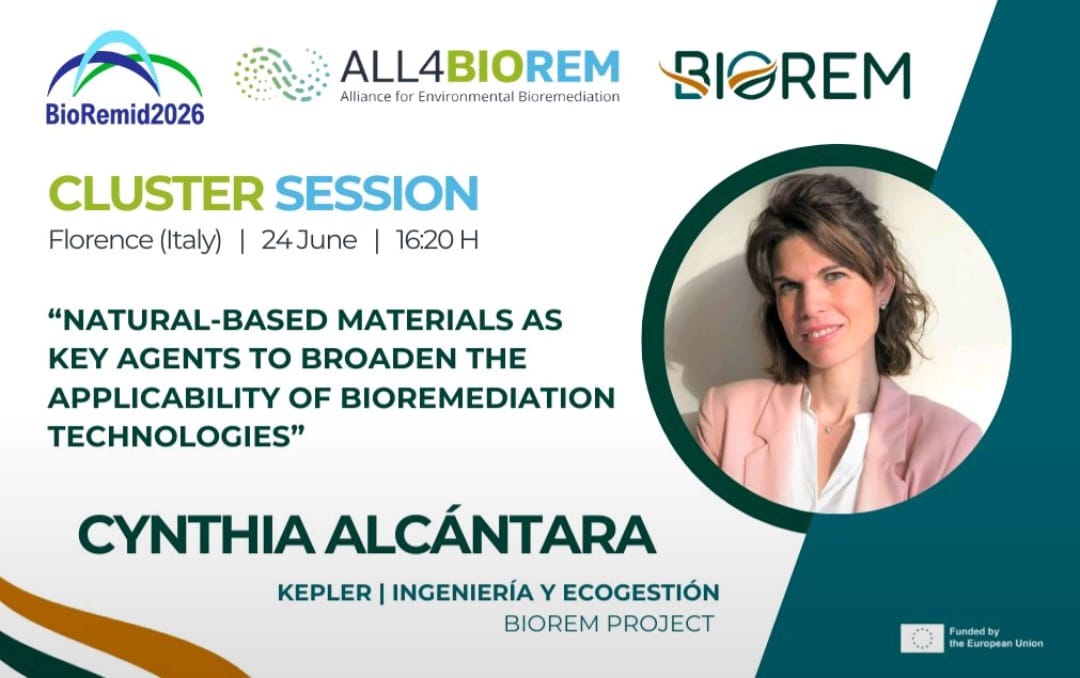
Participation in the 4th International Meeting on New Strategies for Bioremediation and Environmental Restoration – BioRemid 2026
Last Wednesday, 24th June, our colleague Cynthia Alcántara delivered a presentation entitled “Nature-Based Materials as Key Agents for Broadening the Applicability of Bioremediation Technologies” at the 4th International Meeting on New Strategies for Bioremediation and Environmental Restoration (BioRemid 2026), held in Florence, Italy. The main take-home messages of this talk were: KEPLER team would like […]
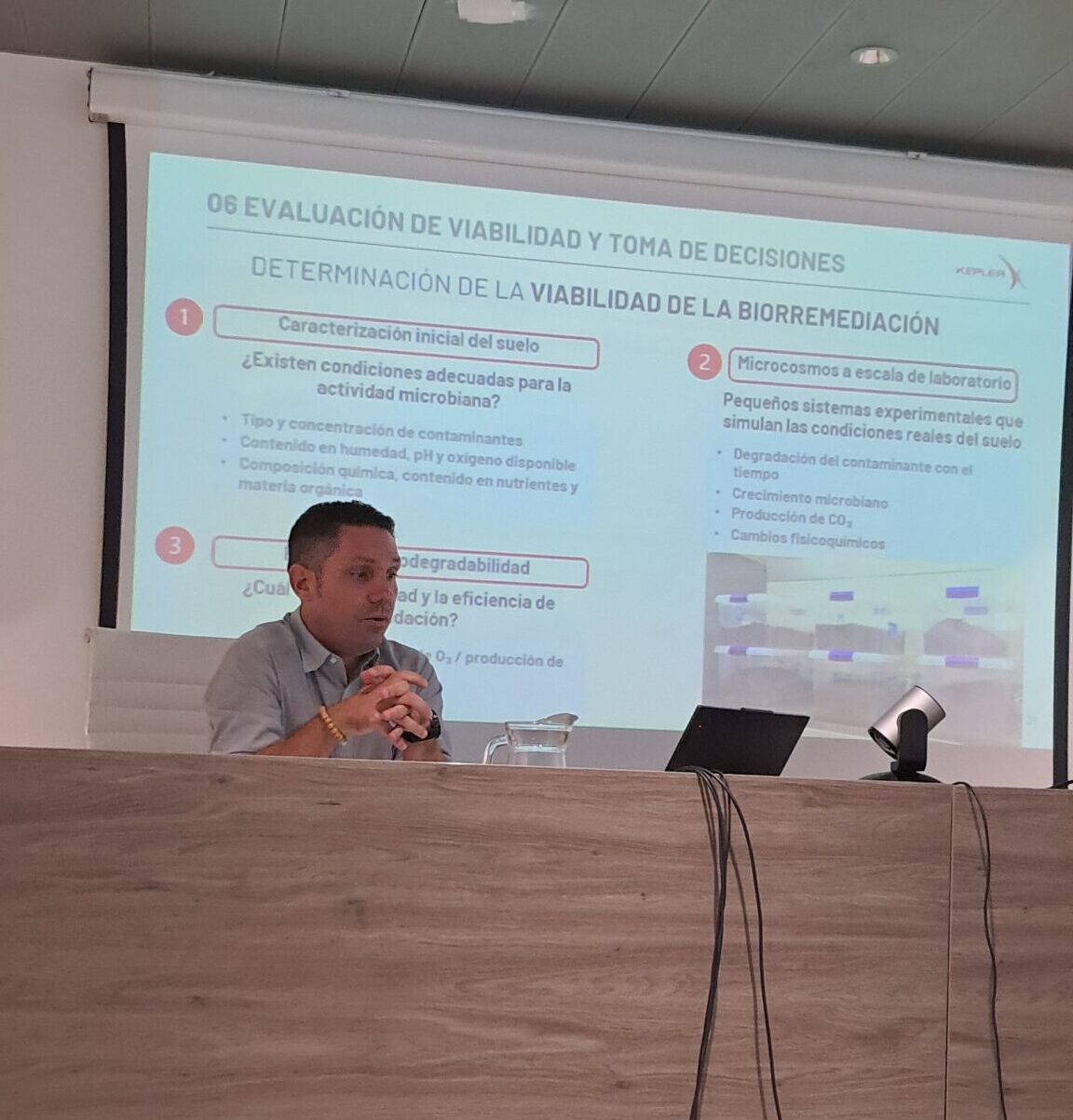
AAP Training Course Soil Biodiversity Monitoring and Soil Health: Applications. Junta de Andalucía
Last Tuesday, our colleague Justo Tenorio took part as a lecturer in the IAAP Training Course, organised by the Waste and Soil Quality Service of the Directorate-General for Environmental Sustainability and Circular Economy of the Regional Government of Andalusia, entitled “Soil Biodiversity Monitoring and Soil Health: Applications”. During his session on opportunities for environmental valorisation, […]
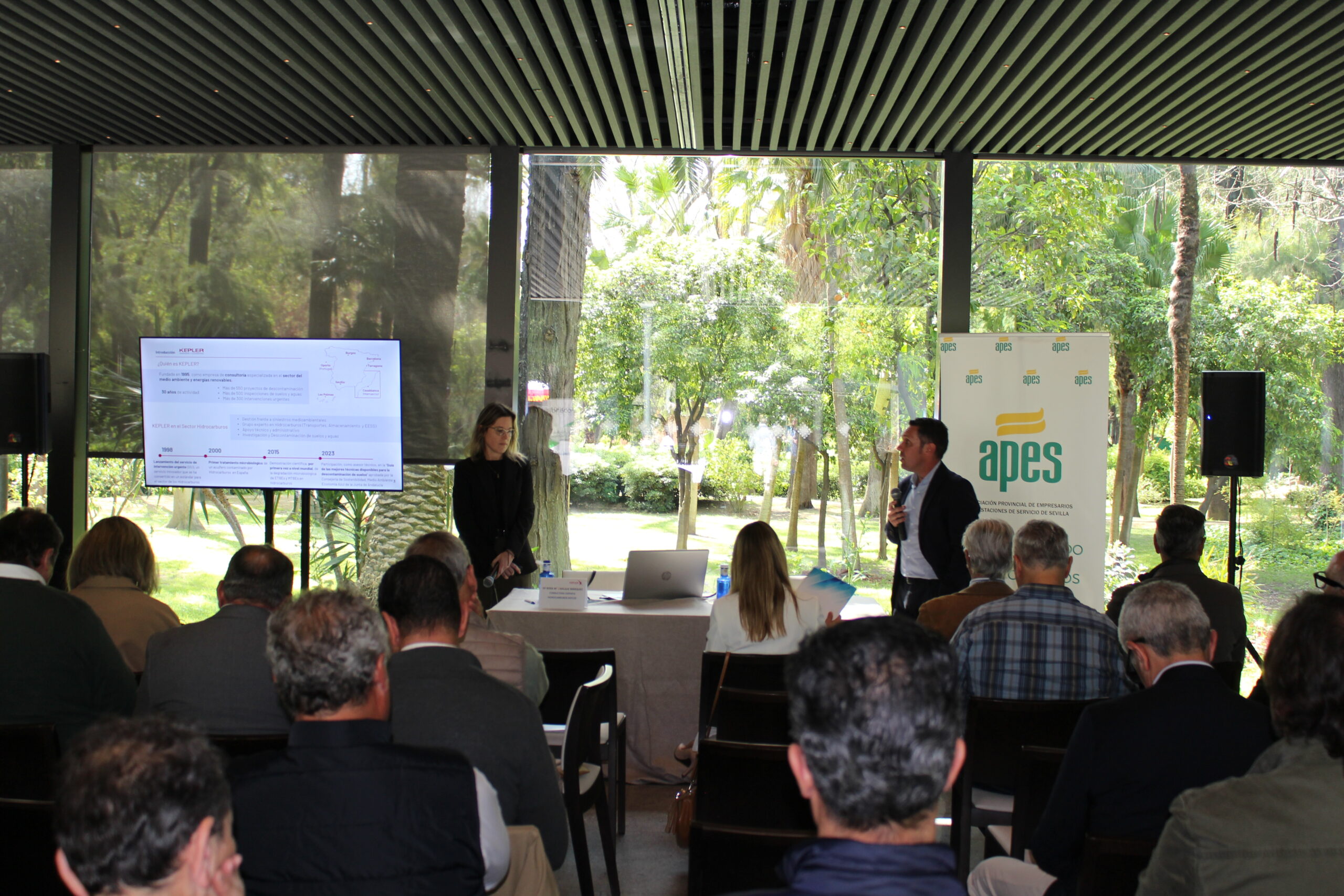
Participation in the APES 2026 Conference
Last Wednesday we had the pleasure of participating in the event organized by the Provincial Association of Service Station Business Owners of Sevilla (APES Sevilla). During the meeting, we addressed a critical issue for operators and owners: the “Management of Potentially Contaminated Soils at Service Stations.” In summary, we presented key aspects of identifying contamination […]