Environment
Our biotechnology laboratory supports the consulting department and contributes to maintaining the intense R&D&I activity developed in the company.
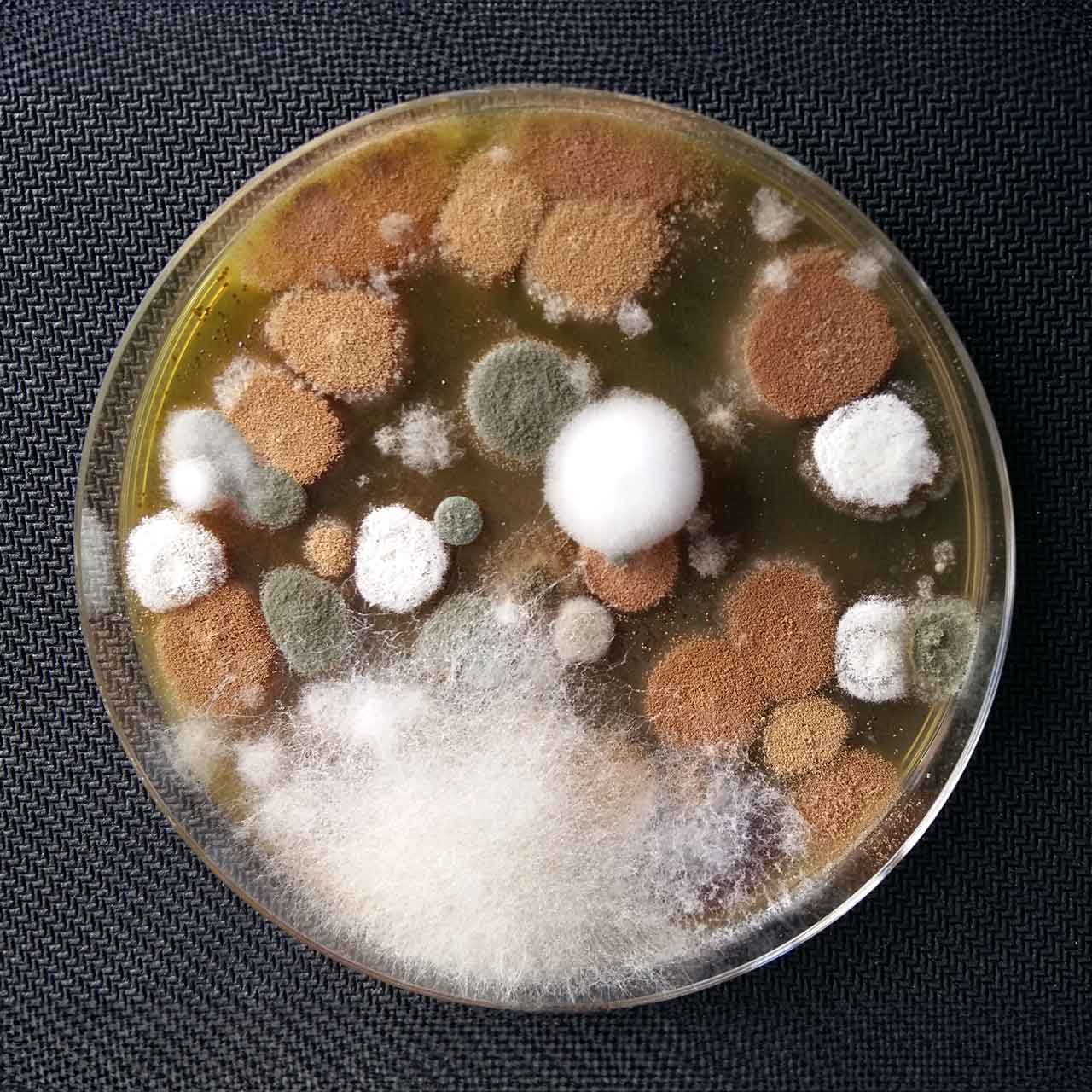
Technique consisting of measuring the microbiological evolution of a contaminated site in order to assess the effectiveness of a bioremediation treatment and, if necessary, to identify potential improvement actions.

Plate count

Enzymatic activity

ATPmetry

Respirometry
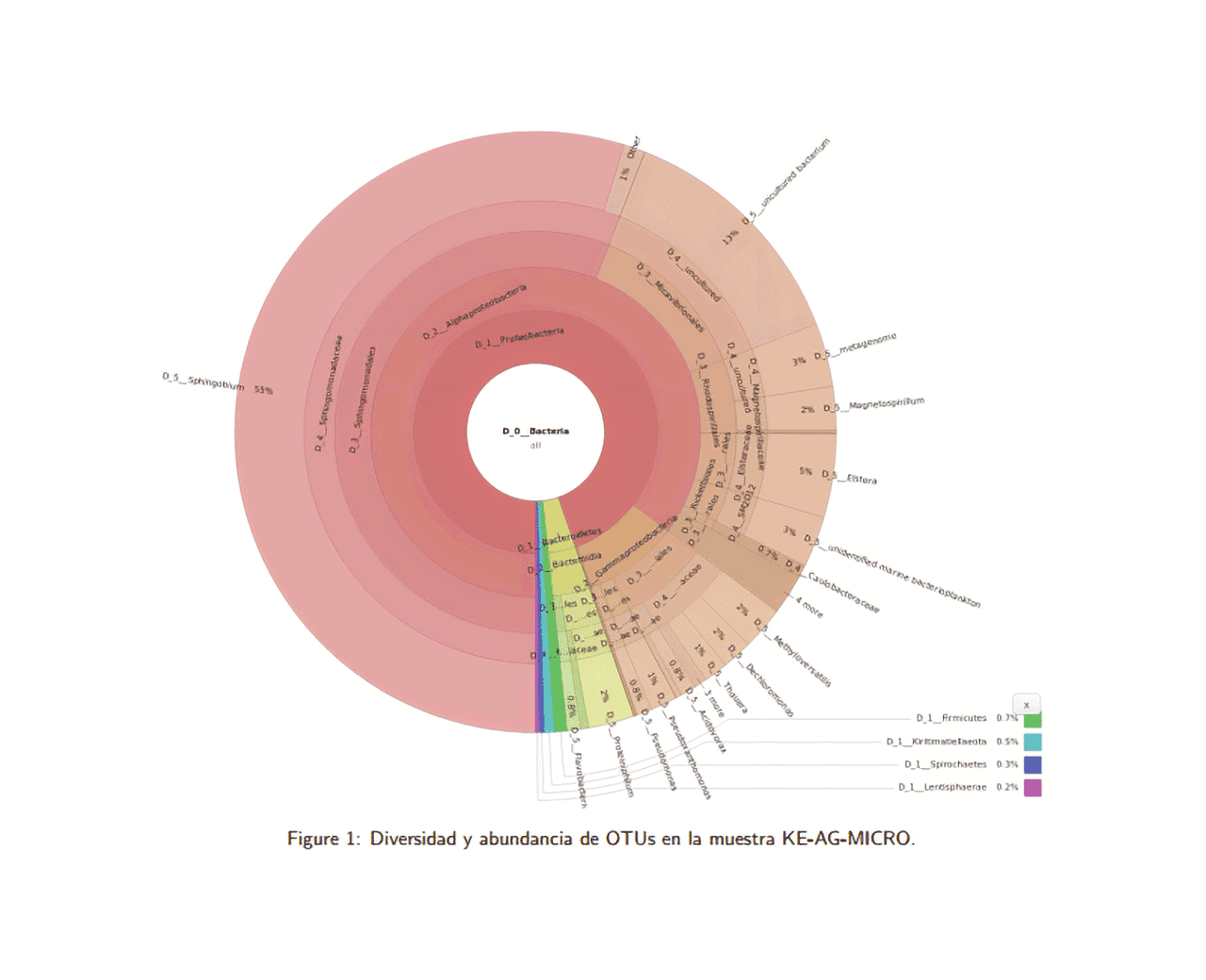
A technique for determining the quantity and diversity of bacteria, archaea, fungi or algae (i.e. a specific taxonomic group) in a sample. This makes it easier to know the microorganisms involved in the decontamination process in soil and water remediation projects.
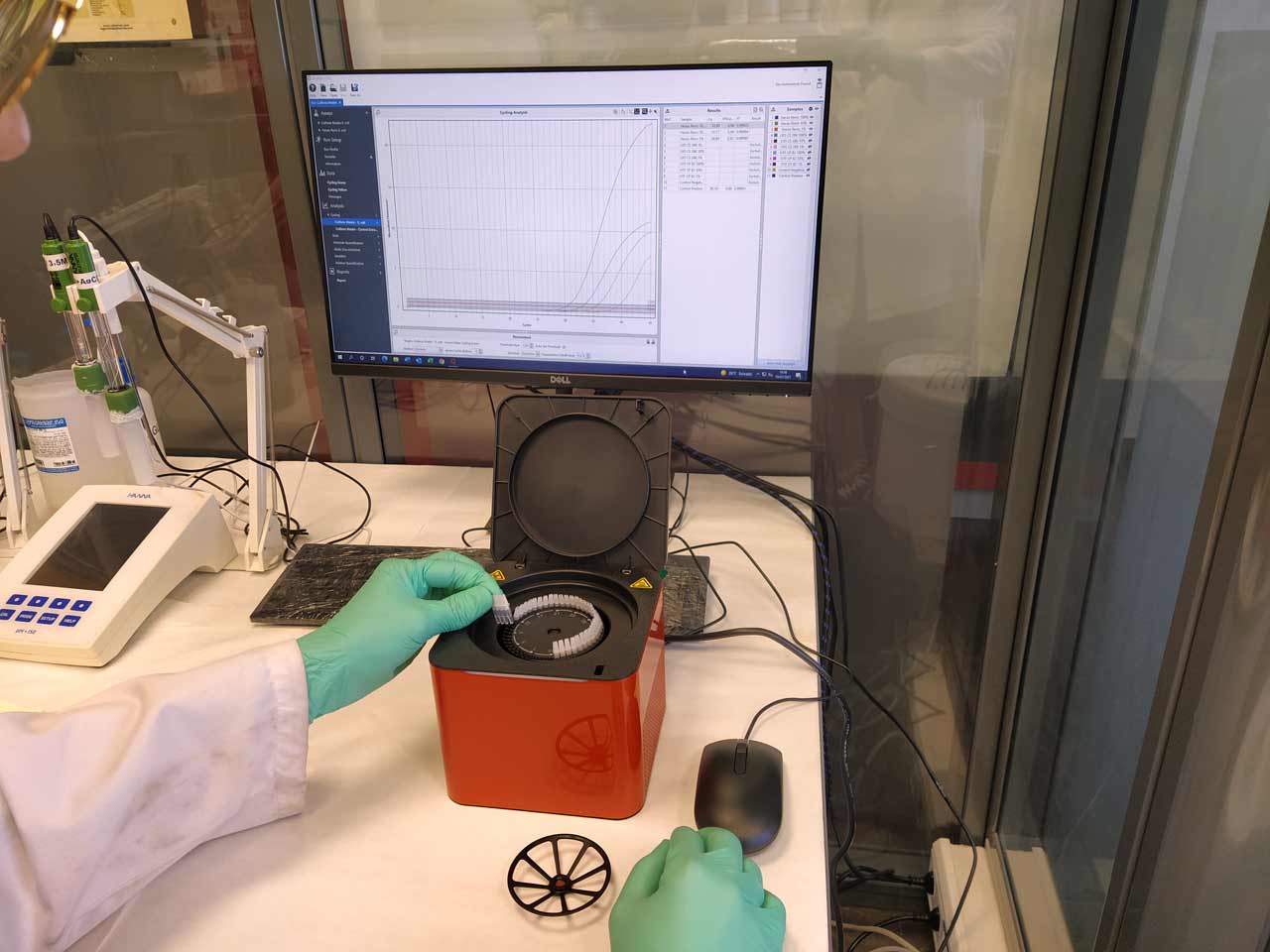
Precision technique that quantifies the DNA of a species for:
- Verify the presence of a key organism in a metabolic pathway.
- Confirm the absence of a pathogen that could affect a decontamination process.
Some of the species we quantified:
- Pathogens: Pseudomonas aeruginosa, Escherichia coli, etc.
- Hydrocarbon degraders
- Degraders of organochlorine compounds: Dehalococcoides sp.
- Methane Producers: Acetoclastic Archeae

We isolate and scale microbiological cultures in order to accelerate the bioremediation of a site. For this purpose, KEPLER assesses in each individual case the use of:
-
1.
Our collection of microbiological consortia
Gathered over the years.
-
2.
Microorganisms from the site itself
Where the contamination has occurred. A soil sample is taken from which the autochthonous microbiota is extracted and isolated, which will be concentrated and previously acclimatized to the contaminant.
Process Phases
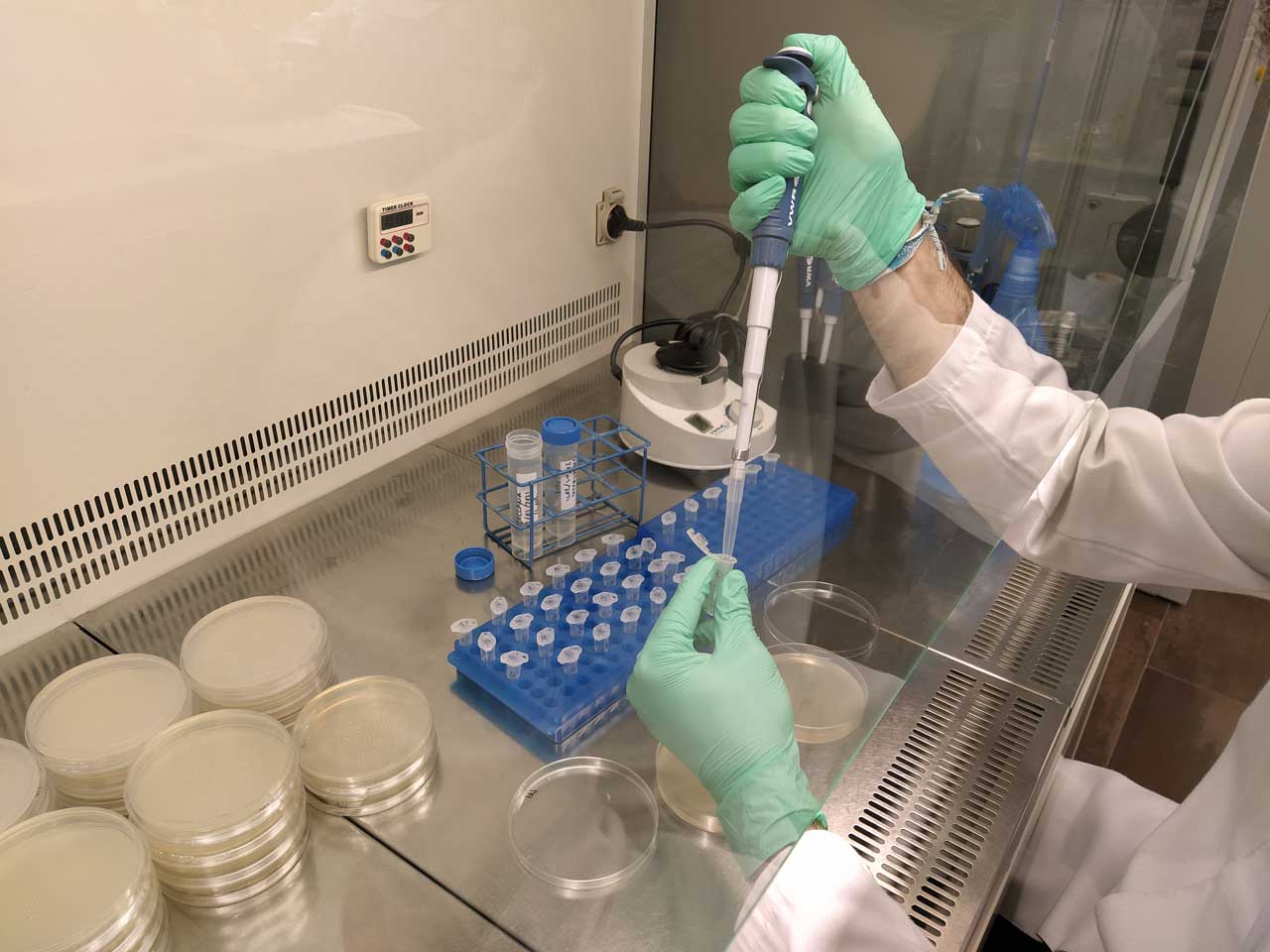
Identification
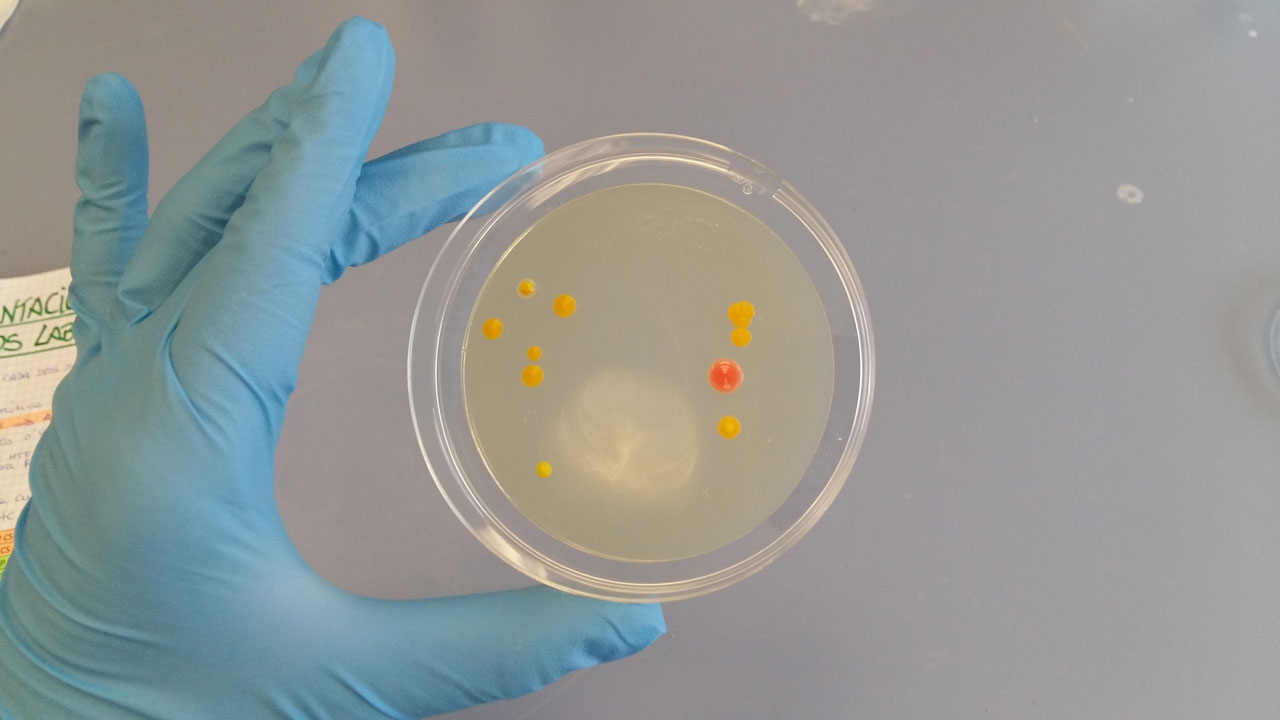
Extraction and Isolation
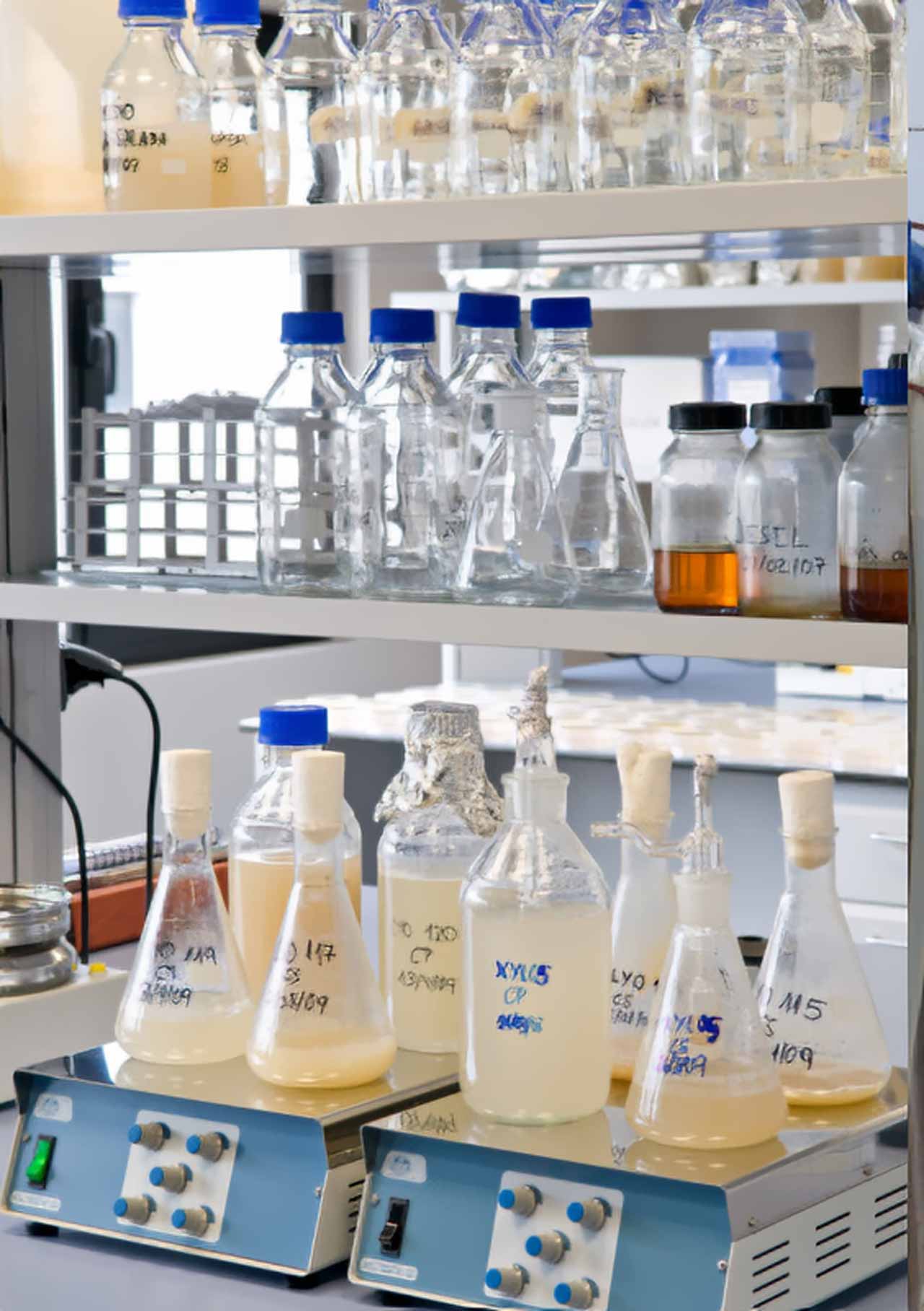
Laboratory Scale Incubation
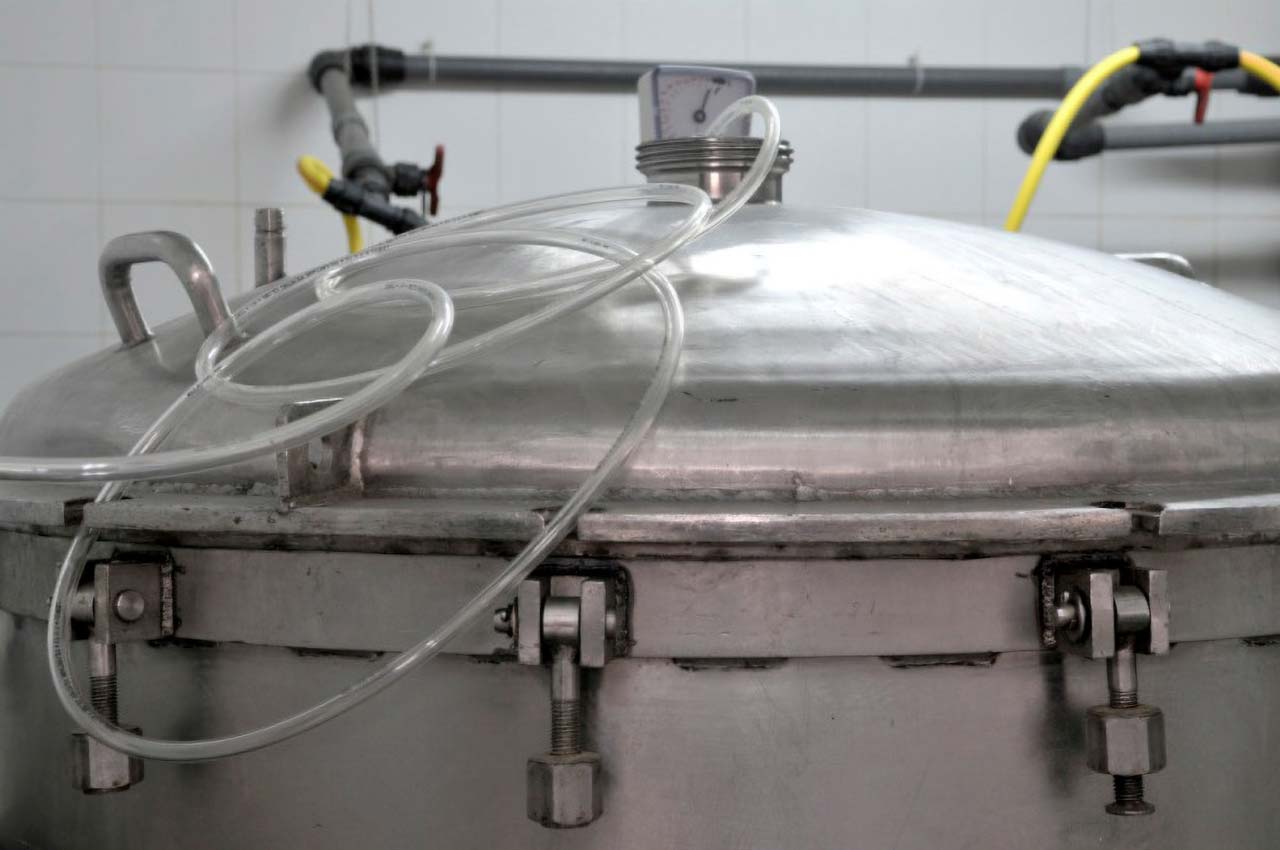
Scaling in Bioreactors
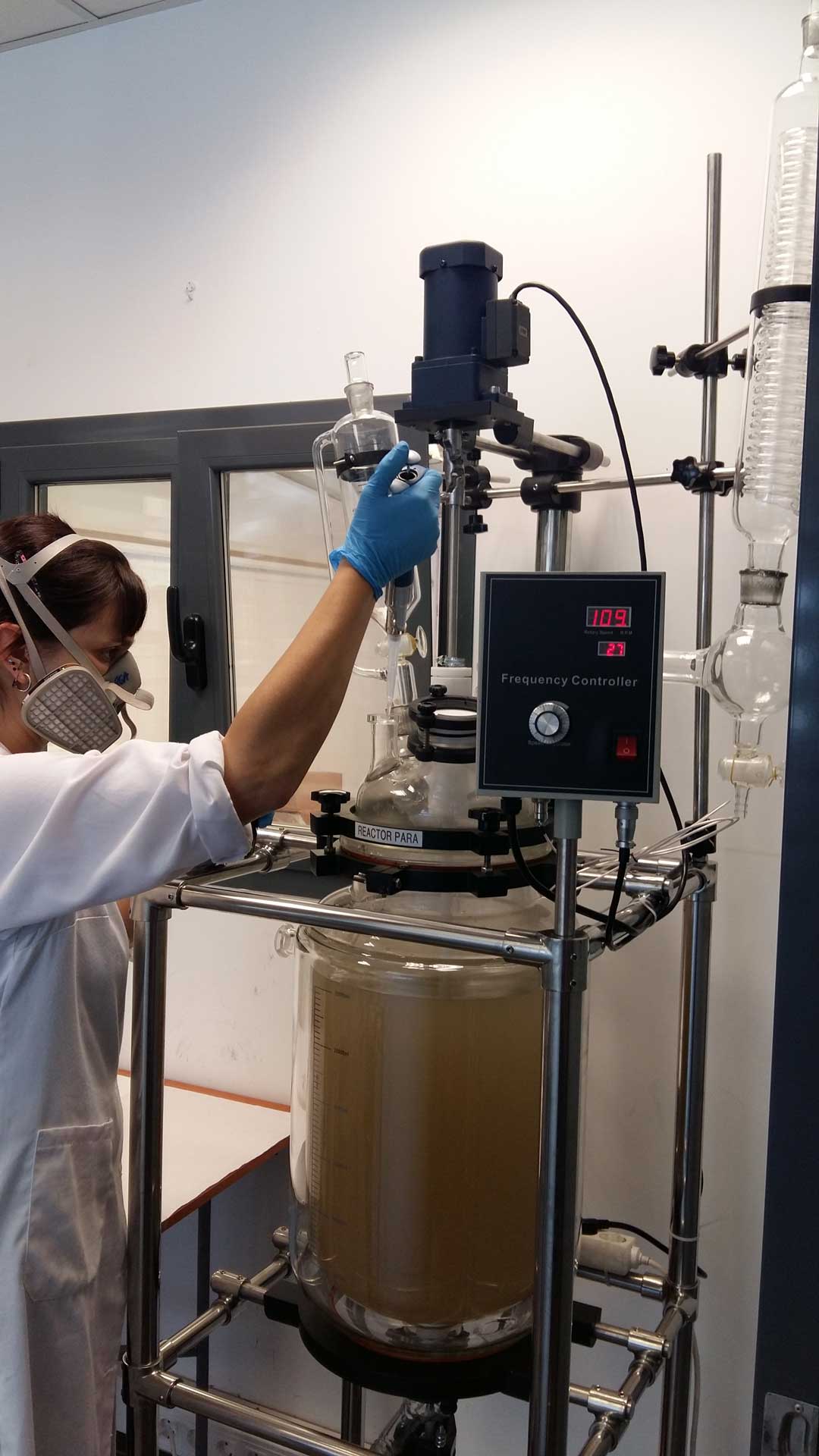
Technique to evaluate the strategy and feasibility of microbiological techniques in a specific project through the identification of possible inhibitors on the microbiology derived from the contaminant product or site.
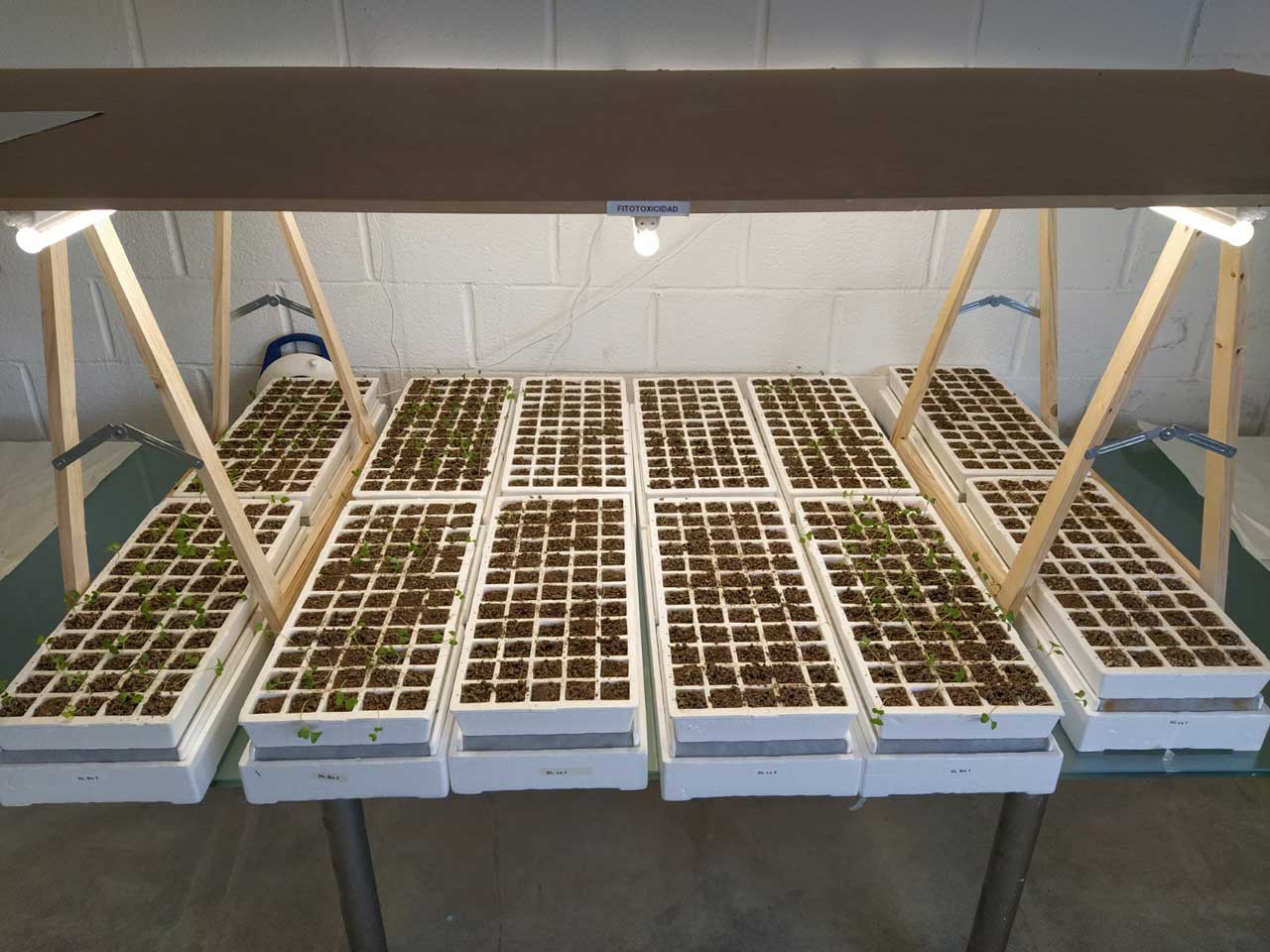
Technique to evaluate the toxicity of a soil or water by observing the growth of test crops or organisms (among others, lactuca sativa).