
Biogas, a key element in the circular economy and pollution reduction
27 de May de 2022In the last two years, it seems that doubts about the future of biogas in Spain are beginning to be dispelled.
While it is true that the pace of adoption of the necessary measures is slower than the sector would like, it must be recognized that steps are being taken to ensure this future in the medium term.
Law 7/2021, of May 20, on Climate Change and Energy Transition, establishes in the first paragraph of Article 12 that the Government “will promote, through the approval of specific plans, the penetration of renewable gases, including biogas, biomethane, hydrogen and other fuels whose manufacture has used exclusively raw materials and energy of renewable origin or allows the reuse of organic waste or by-products of animal or vegetable origin”.
Last September 15 was the deadline for submitting allegations to the draft of the Biogas Roadmap. This Roadmap includes a total of forty-three measures grouped into five main lines of action: regulatory, sectoral, economic, cross-cutting and R&D&I.

KEPLER participated in this consultative process and submitted allegations to different measures included in the five proposed lines of action.
Also this year, at the end of September, the MITECO submitted to public information the draft royal decree for the partial transposition of Directive 2018/2001, on the promotion of the use of energy from renewable sources. October 14 was the deadline for submitting allegations to this document, which among other issues will define the system of guarantees of origin for renewable gases, such as green hydrogen, biogas or biomethane, which will allow marketers and consumers to differentiate them from gas of fossil origin.
The five main lines of action will be: regulatory, sectoral, economic, cross-cutting and R&D&I.
It is to be hoped that this framework structure will lead to specific regulations that will give a boost to the biogas sector in Spain.

In any case, for biogas to be a useful instrument in decarbonization and the new paradigm of the circular economy, it will be necessary for it to reach the profitability threshold that does not exist now, and for this, the measures established for its promotion must effectively contemplate not only the energy aspect, but also all the environmental benefits derived from the effective treatment of organic waste.
Publicaciones más recientes
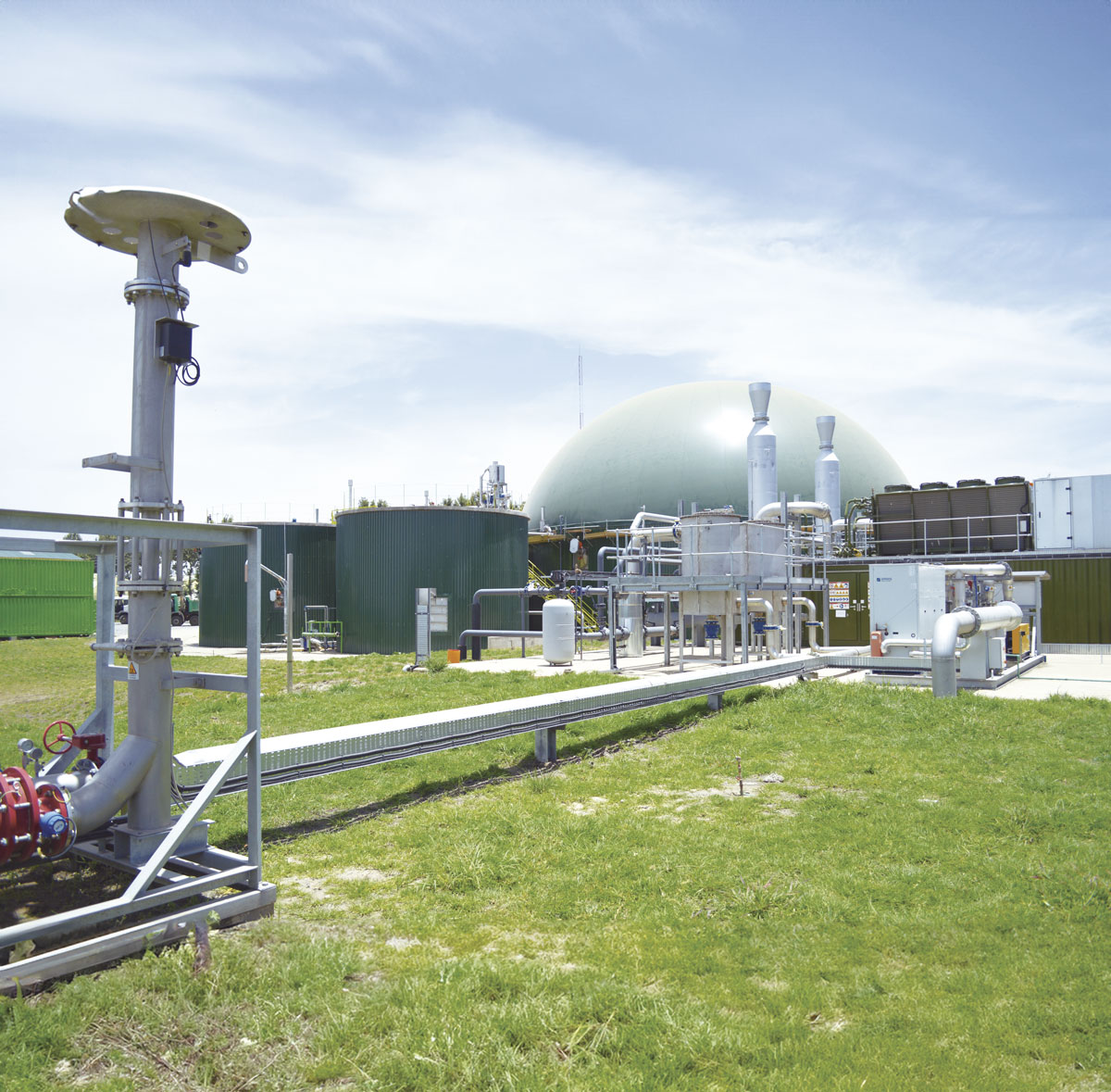
The Strategic Role of Biogas Plants in Agriculture, Livestock Farming, Energy and the Local Economy
Few types of infrastructure generate as much debate today as biogas plants. Numerous local residents’ groups have emerged in opposition to them, and many of their concerns are understandable. However, we believe the discussion has become polarized and is often based more on perceptions than on rigorous studies and reliable data. A constructive debate would […]
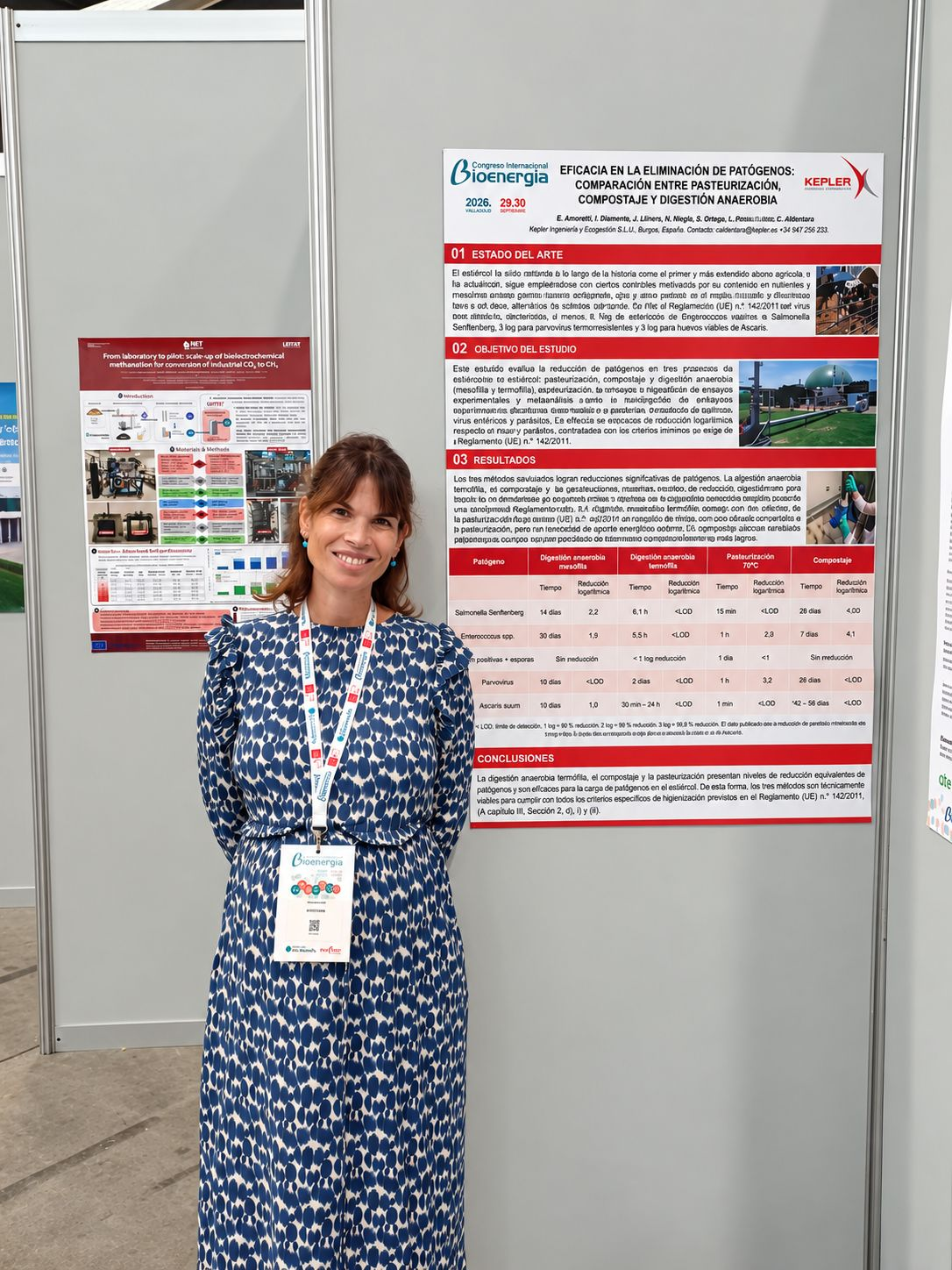
KEPLER Participates in the 19th International Bioenergy Congress, “Renewable Gases: Local Energy for a More Sustainable, Competitive and Resilient Economy”, and the Renewable Gas Trade Fair in Valladolid
Once again, KEPLER Ingeniería y Ecogestión has participated in the 19th International Bioenergy Congress, “Renewable Gases: Local Energy for a More Sustainable, Competitive and Resilient Economy”, held alongside the Renewable Gas Trade Fair in Valladolid. During the event, KEPLER had the opportunity to present a new specialized training initiative: the University Programme in Biogas Plant […]
KEPLER addresses regulatory investigations into the Environmental Impacts of Heat Transfer Fluid (HTF) at the 3rd Session of the Protermosolar Working Group
KEPLER, Ingeniería y Ecogestión, participated as a speaker in the third session of the Protermosolar Working Group, sharing its expertise as an inspection body in the investigation and assessment of environmental impacts associated with concentrated solar power (CSP) facilities. Representing KEPLER, Jesús Osma Carmona, consultant and inspector at the Inspection Entity, delivered a presentation on […]