
LIFE MYSOIL PROJECT
26 de January de 2023One more step in bioremediation: mycoremediation for soil valorization
The LIFE MySOIL project develops an innovative technology to demonstrate the feasibility of mycoremediation in the remediation of industrial soils contaminated with organic compounds such as petroleum derivatives.
Mycoremediation is a bioremediation process that uses fungi to degrade or accumulate contaminants. It offers the same benefits as bioremediation treatments, but with fewer disadvantages than traditional remediation strategies, allowing high levels of contaminant removal to be achieved. Soil contamination is one of the main environmental problems in Europe, affecting the health of soil ecosystems in terms of complexity, toxicity and difficulty to treat.
There are approximately 2.8 million potentially contaminated sites in Europe, of which 650,000 require cleanup, but only 15% of them have been addressed so far.
Environmental objectives:
- INDUSTRIAL SOIL CLEANUP: Remove all petroleum-derived organic contaminants from contaminated industrial soils to achieve the objectives necessary for soil reuse.
- MYCOREDIATION: Promote and demonstrate mycoremediation as a key bioremediation technology.
- ENVIRONMENTAL IMPACT: To reduce the environmental impact of mycoremediation processes compared to conventional technologies.
- CIRCULAR ECONOMY: Promote the principle of circular economy by reclaiming soil instead of storing it in landfills and using agro-industrial by-products and urban green waste.
Every year, KEPLER, as a partner of the LIFE MySOIL project, participates in different calls for proposals to develop new lines of research through its R&D&I Department. This aims to produce innovative, quality and sustainable products and services for its customers.
Publicaciones más recientes
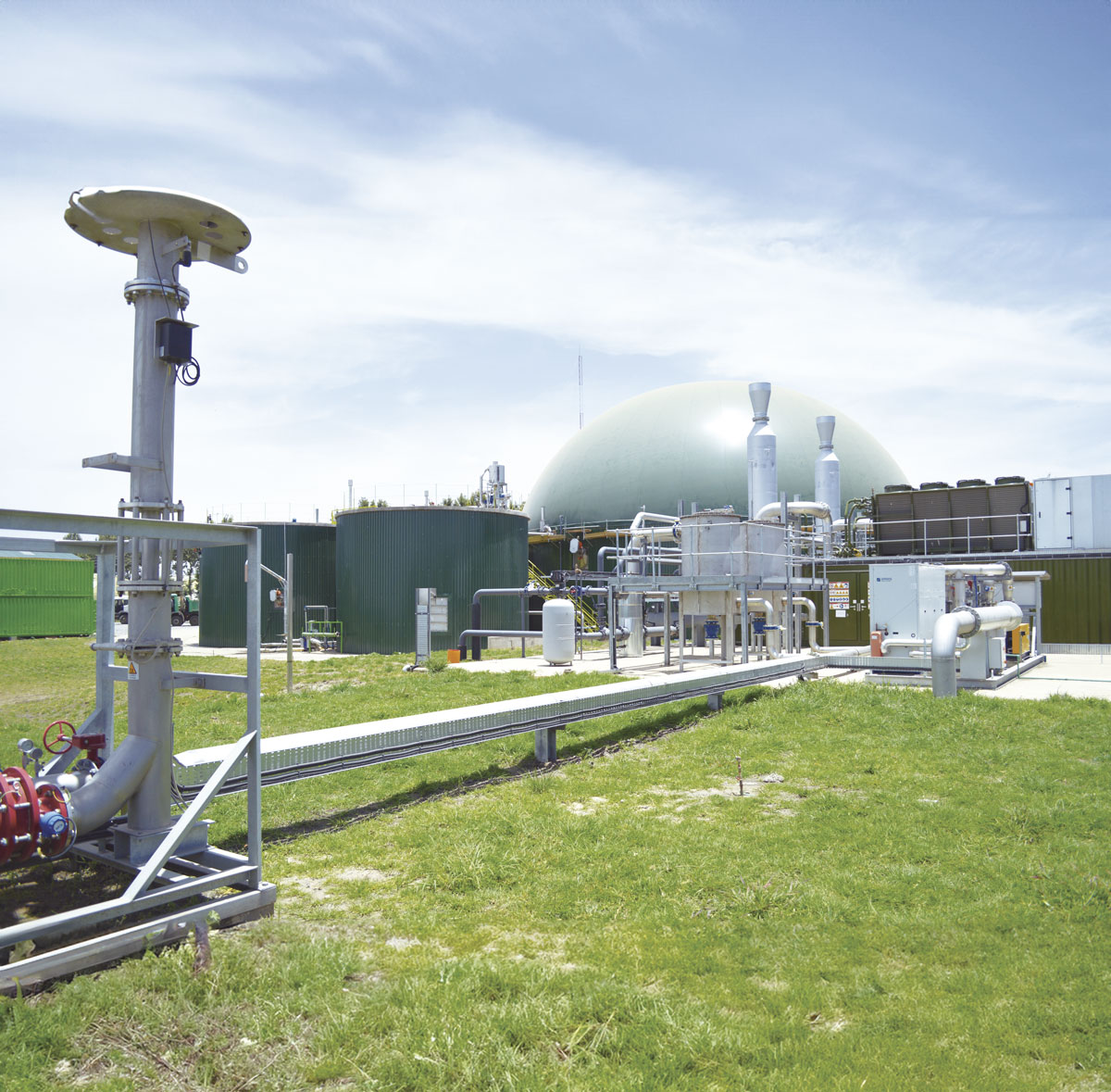
The Strategic Role of Biogas Plants in Agriculture, Livestock Farming, Energy and the Local Economy
Few types of infrastructure generate as much debate today as biogas plants. Numerous local residents’ groups have emerged in opposition to them, and many of their concerns are understandable. However, we believe the discussion has become polarized and is often based more on perceptions than on rigorous studies and reliable data. A constructive debate would […]
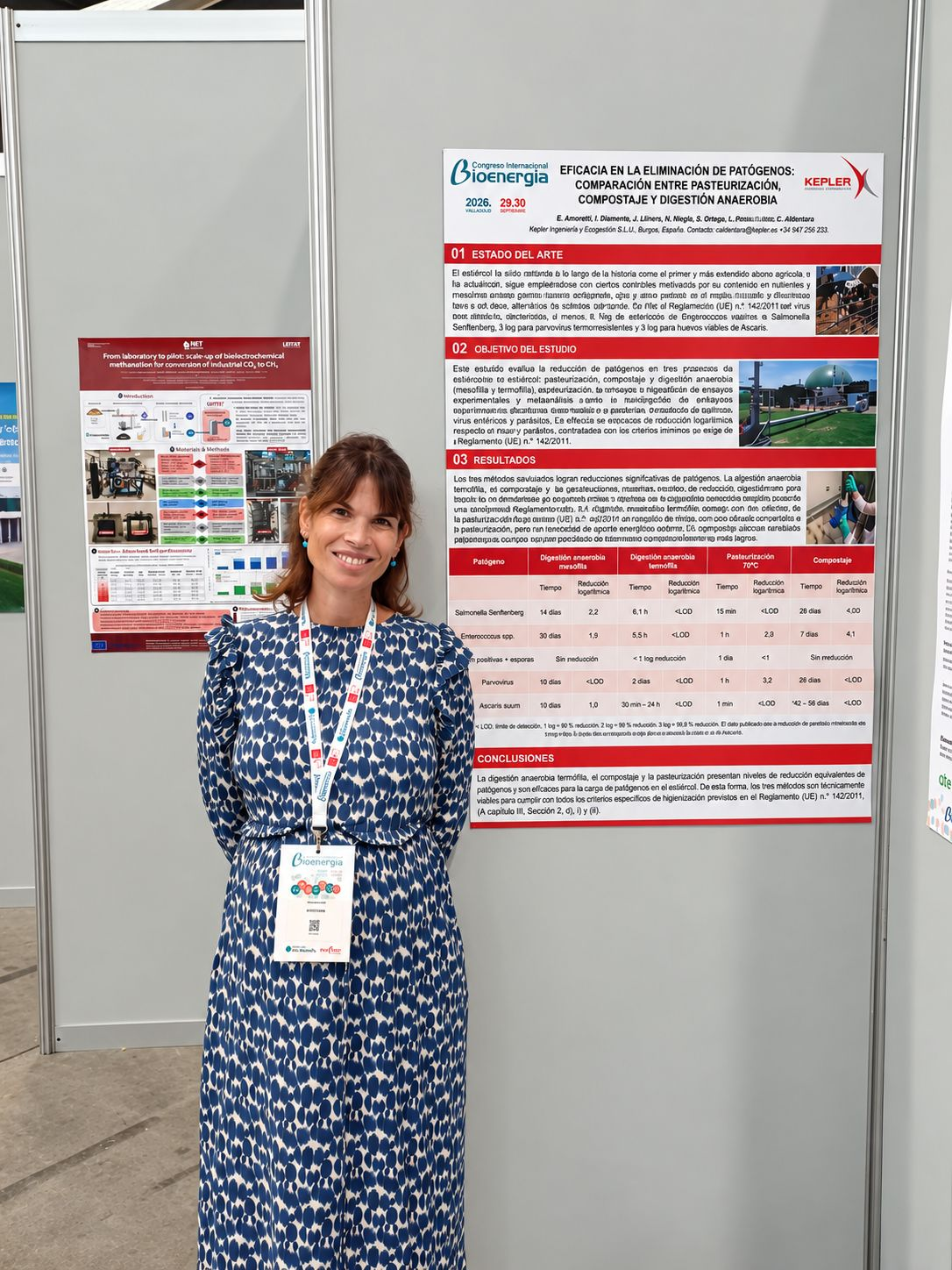
KEPLER Participates in the 19th International Bioenergy Congress, “Renewable Gases: Local Energy for a More Sustainable, Competitive and Resilient Economy”, and the Renewable Gas Trade Fair in Valladolid
Once again, KEPLER Ingeniería y Ecogestión has participated in the 19th International Bioenergy Congress, “Renewable Gases: Local Energy for a More Sustainable, Competitive and Resilient Economy”, held alongside the Renewable Gas Trade Fair in Valladolid. During the event, KEPLER had the opportunity to present a new specialized training initiative: the University Programme in Biogas Plant […]
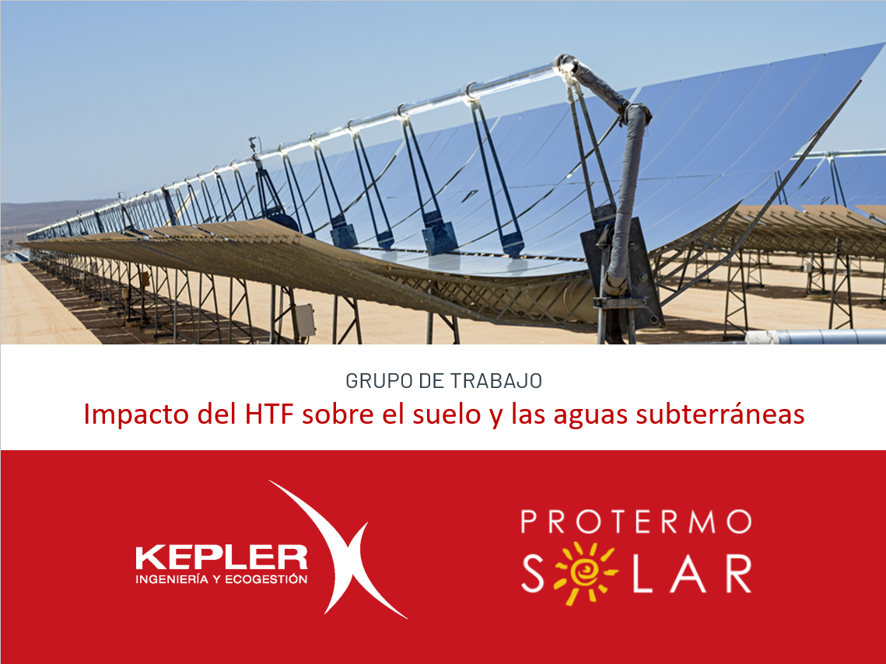
KEPLER addresses regulatory investigations into the Environmental Impacts of Heat Transfer Fluid (HTF) at the 3rd Session of the Protermosolar Working Group
KEPLER, Ingeniería y Ecogestión, participated as a speaker in the third session of the Protermosolar Working Group, sharing its expertise as an inspection body in the investigation and assessment of environmental impacts associated with concentrated solar power (CSP) facilities. Representing KEPLER, Jesús Osma Carmona, consultant and inspector at the Inspection Entity, delivered a presentation on […]