
Micoremediation of trichloroethylene-contaminated soils.
18 de March de 2022Last February 2021, the scientific article “Mycoremediation of Soils Polluted with Trichloroethylene: First Evidence of Pleurotus Genus Effectiveness” was published in the prestigious journal “Applied Sciences”.
This publication is the result of the collaboration between KEPLER and the research group of the Dept. of Agricultural Chemistry and Bromatology of the Universidad Autónoma de Madrid, with whom we have been doing research for years.
Trichloroethylene (TCE) is a synthetic halogenated hydrocarbon widely used in the industrial cleaning sector as a solvent or as a component in the synthesis of refrigerant substances. Its xenobiotic nature, physicochemical properties and diverse applications mean that TCE is currently detected in air, water and soil at multiple sites, posing a significant risk to human health and the environment due to its carcinogenic potential. The objective of the present work was to evaluate for the first time the removal efficiency of TCE in soil using two fungal species of the genus Pleurotus: Pleurotus ostreatus and Pleurotus eryngii. Both species present different intra- and extracellular enzyme systems capable of aerobically metabolizing TCE, transforming it into less harmful compounds. The results obtained demonstrated the ability of both fungi to colonize the soil and produce ligninolytic enzymes even in the presence of high concentrations of TCE.
Therefore, it is crucial to continue working along these lines in order to elucidate the mechanisms involved in TCE mycodegdation and to evaluate how to stimulate TCE delivery and to evaluate how to stimulate the development of TCE.
Publicaciones más recientes
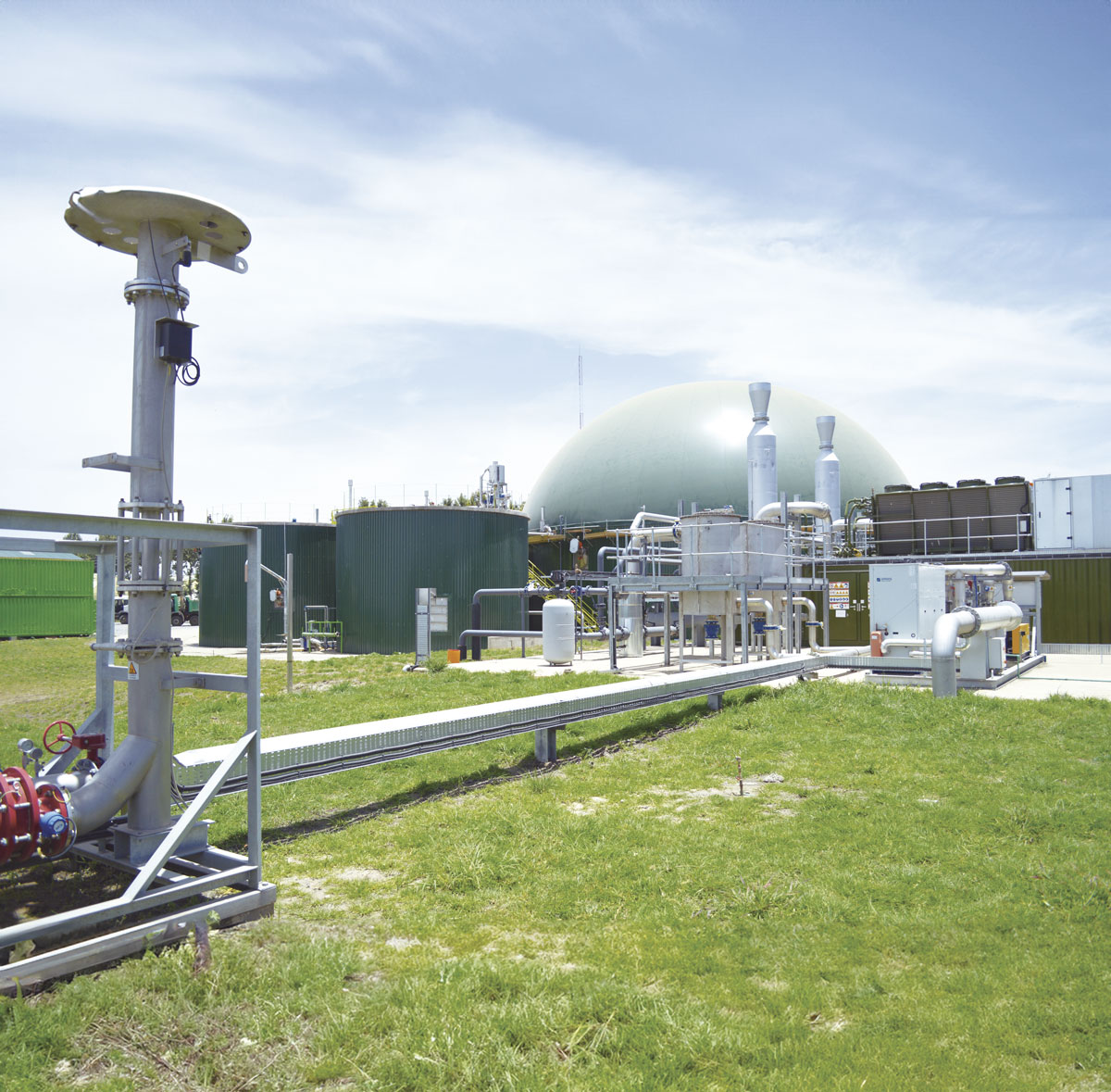
The Strategic Role of Biogas Plants in Agriculture, Livestock Farming, Energy and the Local Economy
Few types of infrastructure generate as much debate today as biogas plants. Numerous local residents’ groups have emerged in opposition to them, and many of their concerns are understandable. However, we believe the discussion has become polarized and is often based more on perceptions than on rigorous studies and reliable data. A constructive debate would […]
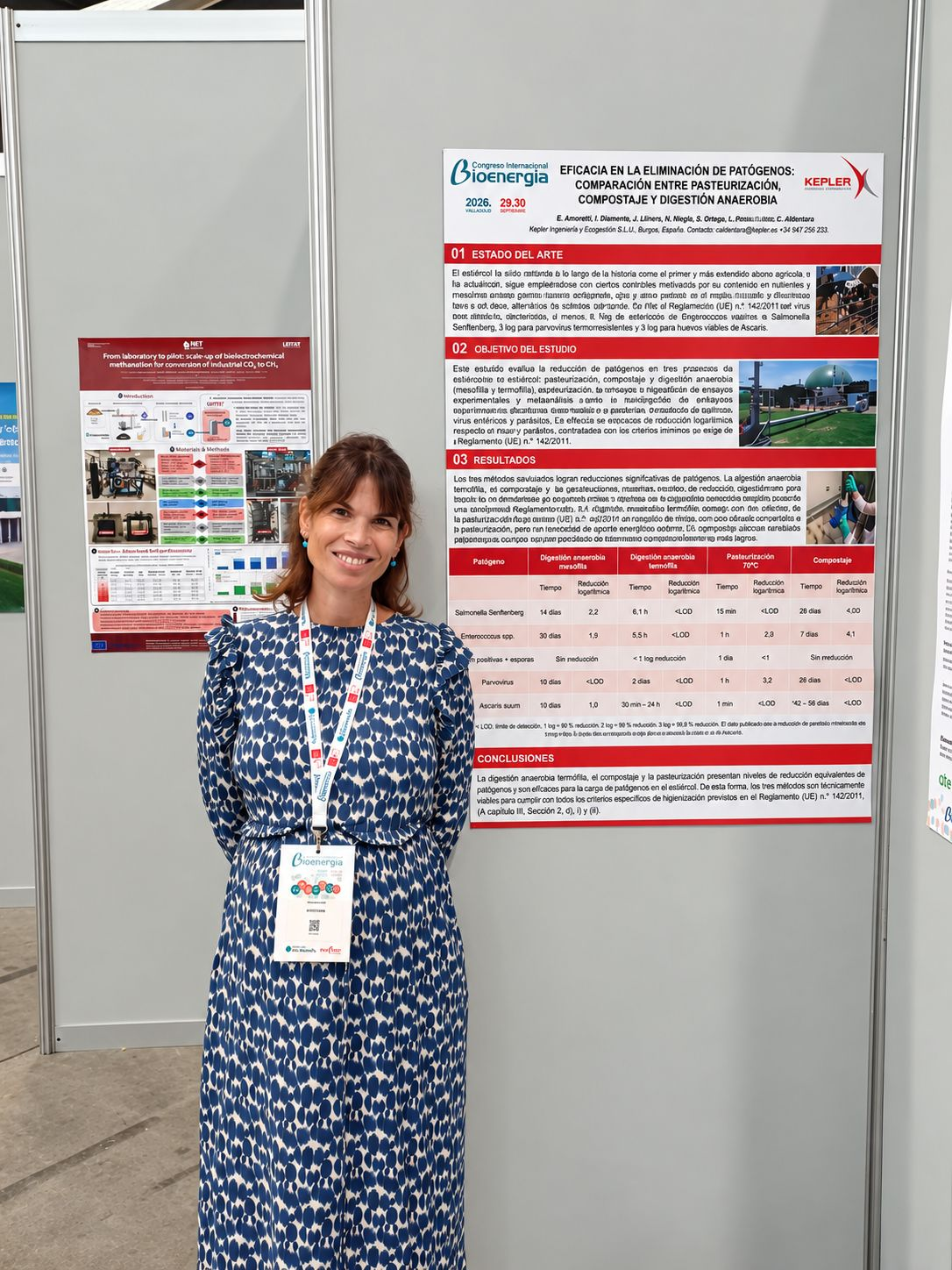
KEPLER Participates in the 19th International Bioenergy Congress, “Renewable Gases: Local Energy for a More Sustainable, Competitive and Resilient Economy”, and the Renewable Gas Trade Fair in Valladolid
Once again, KEPLER Ingeniería y Ecogestión has participated in the 19th International Bioenergy Congress, “Renewable Gases: Local Energy for a More Sustainable, Competitive and Resilient Economy”, held alongside the Renewable Gas Trade Fair in Valladolid. During the event, KEPLER had the opportunity to present a new specialized training initiative: the University Programme in Biogas Plant […]

KEPLER addresses regulatory investigations into the Environmental Impacts of Heat Transfer Fluid (HTF) at the 3rd Session of the Protermosolar Working Group
KEPLER, Ingeniería y Ecogestión, participated as a speaker in the third session of the Protermosolar Working Group, sharing its expertise as an inspection body in the investigation and assessment of environmental impacts associated with concentrated solar power (CSP) facilities. Representing KEPLER, Jesús Osma Carmona, consultant and inspector at the Inspection Entity, delivered a presentation on […]