
New services of our biotechnology laboratory
27 de May de 2022MONITORING OF MICROBIOLOGICAL ACTIVITY BY MEANS OF:
Index
1. QUANTIFICATION OF ENZYME ACTIVITIES
DEHYDROGENASE
Intracellular enzyme responsible for the biological oxidation of organic compounds in soil and therefore a good indicator of the degree of biodegradation of a contaminant.
URESA
Extracellular enzyme responsible for the hydrolysis of urea to ammonium. It allows to evaluate the bioavailability of ammonium in the soil as a source of N for microorganisms, a key factor during the process of biological assimilation of the contaminant.


2. ATP QUANTIFICATION
Adenosine triphosphate is a nucleotide that is present in all living cells, representing their main source of energy. The presence of this molecule is therefore used as an indicator of the active biomass in a system.


3. MOLECULAR BIOLOGY
DNA-METABARCODING
Massive sequencing technique that allows to determine the diversity within the same domain (usually bacteria, archaea, fungi or algae) by providing a value in percentage of the relative abundance of the different genera or even species within the same taxonomic category.


QUANTITATIVE PCR (qPCR)
A technique that combines DNA amplification and detection in a single step by correlating the PCR product amplified in each of the cycles with a fluorescence signal. This technique allows to visualize the reaction in real time and accurately quantify the DNA associated with the species of interest present in the sample.

PHYTOTOXICITY TESTS
A test in which certain plants are subjected to the presence of a pollutant in order to evaluate its toxic effect on the germination and development of the plant. The information obtained from these environmental biomarkers can be used to enrich (i) environmental impact studies (ii) Quantitative Risk Analysis on contaminated ecosystems, as well as (iii) to evaluate the positive effect of bioremediation on soil fertility after decontamination.
Publicaciones más recientes
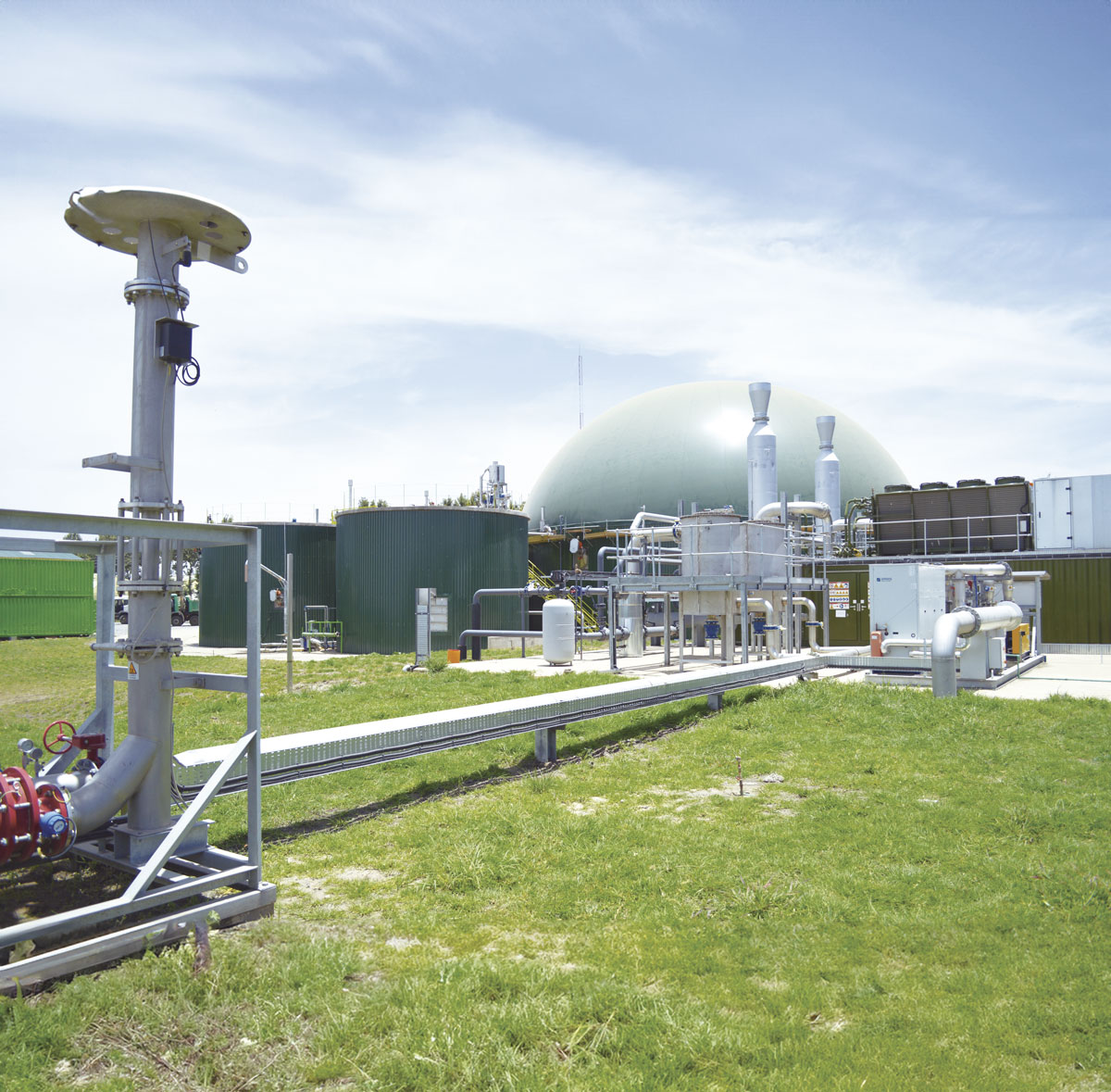
The Strategic Role of Biogas Plants in Agriculture, Livestock Farming, Energy and the Local Economy
Few types of infrastructure generate as much debate today as biogas plants. Numerous local residents’ groups have emerged in opposition to them, and many of their concerns are understandable. However, we believe the discussion has become polarized and is often based more on perceptions than on rigorous studies and reliable data. A constructive debate would […]
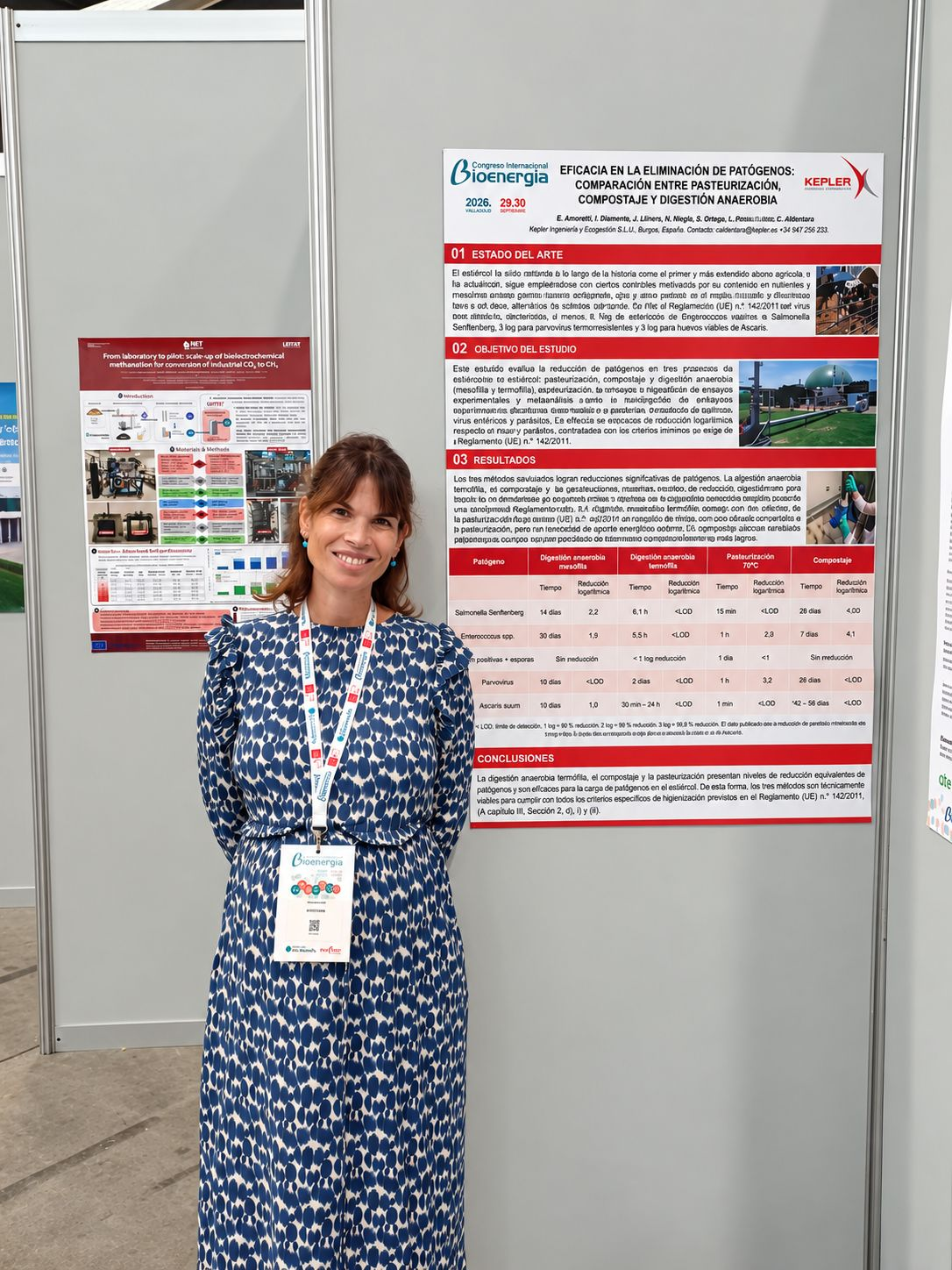
KEPLER Participates in the 19th International Bioenergy Congress, “Renewable Gases: Local Energy for a More Sustainable, Competitive and Resilient Economy”, and the Renewable Gas Trade Fair in Valladolid
Once again, KEPLER Ingeniería y Ecogestión has participated in the 19th International Bioenergy Congress, “Renewable Gases: Local Energy for a More Sustainable, Competitive and Resilient Economy”, held alongside the Renewable Gas Trade Fair in Valladolid. During the event, KEPLER had the opportunity to present a new specialized training initiative: the University Programme in Biogas Plant […]

KEPLER addresses regulatory investigations into the Environmental Impacts of Heat Transfer Fluid (HTF) at the 3rd Session of the Protermosolar Working Group
KEPLER, Ingeniería y Ecogestión, participated as a speaker in the third session of the Protermosolar Working Group, sharing its expertise as an inspection body in the investigation and assessment of environmental impacts associated with concentrated solar power (CSP) facilities. Representing KEPLER, Jesús Osma Carmona, consultant and inspector at the Inspection Entity, delivered a presentation on […]