
Scientific publication by our colleague Diego Patiño Sauma
11 de February de 2025We are pleased to share the paper recently published by our colleague Diego Patiño Sauma in the international Journal of Hymenoptera Research entitled ‘First records of Anthidium florentinum (Hymenoptera, Megachilidae) in the Canary Islands: perspectives on citizen science and alien bee species’.
This work began following Diego’s discovery of an introduced bee species in the Canary Islands. In his work, he studies the potential impact that alien species can have on island ecosystems and the importance of public support for the scientific community in research activities.

This publication also reflects the ability of our young talent to delve into issues of scientific interest that affect our national Ecosystems and ultimately the Environment. The publication is available at the following link:
https://doi.org/10.3897/jhr.98.137948
Publicaciones más recientes
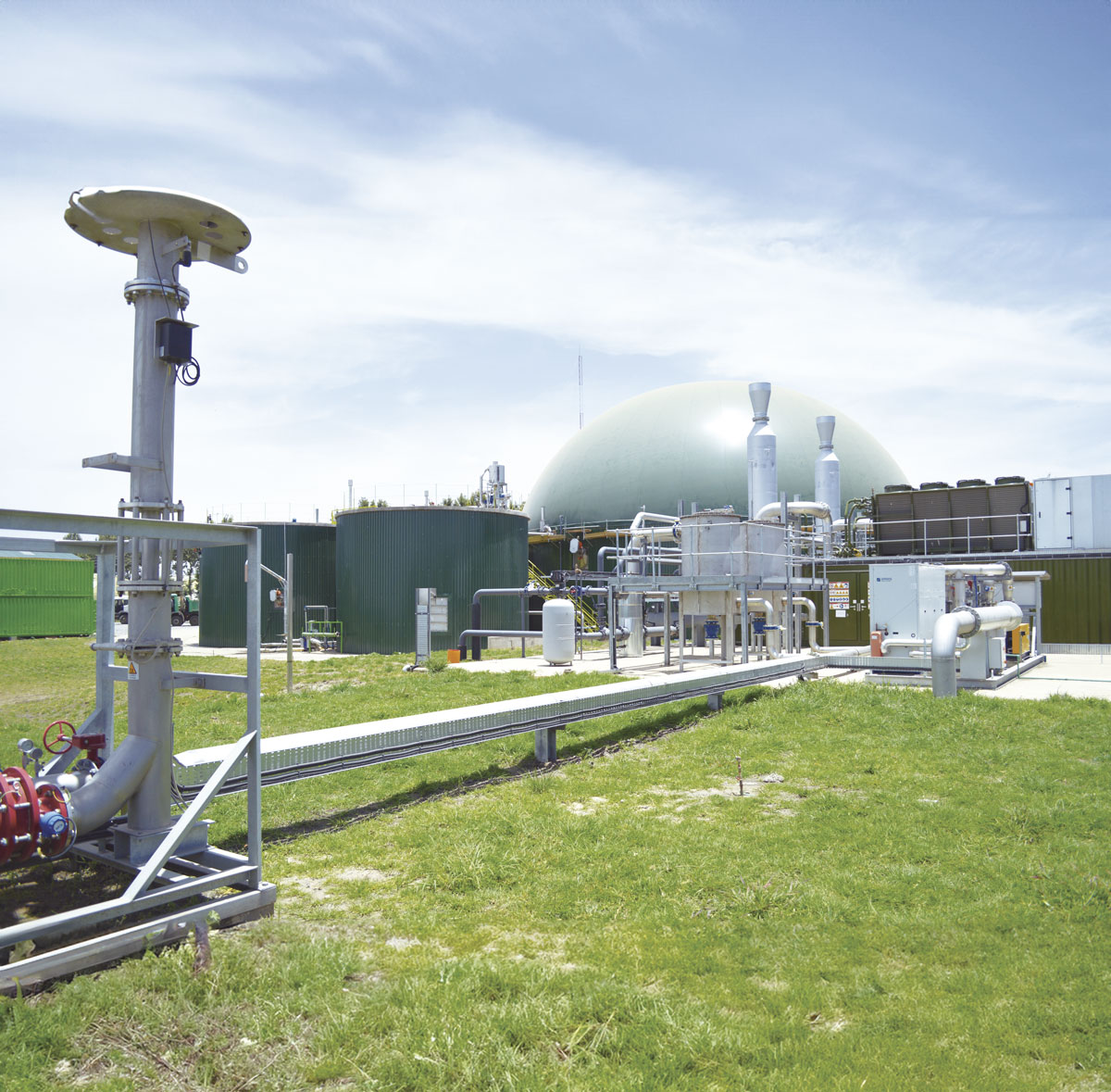
The Strategic Role of Biogas Plants in Agriculture, Livestock Farming, Energy and the Local Economy
Few types of infrastructure generate as much debate today as biogas plants. Numerous local residents’ groups have emerged in opposition to them, and many of their concerns are understandable. However, we believe the discussion has become polarized and is often based more on perceptions than on rigorous studies and reliable data. A constructive debate would […]
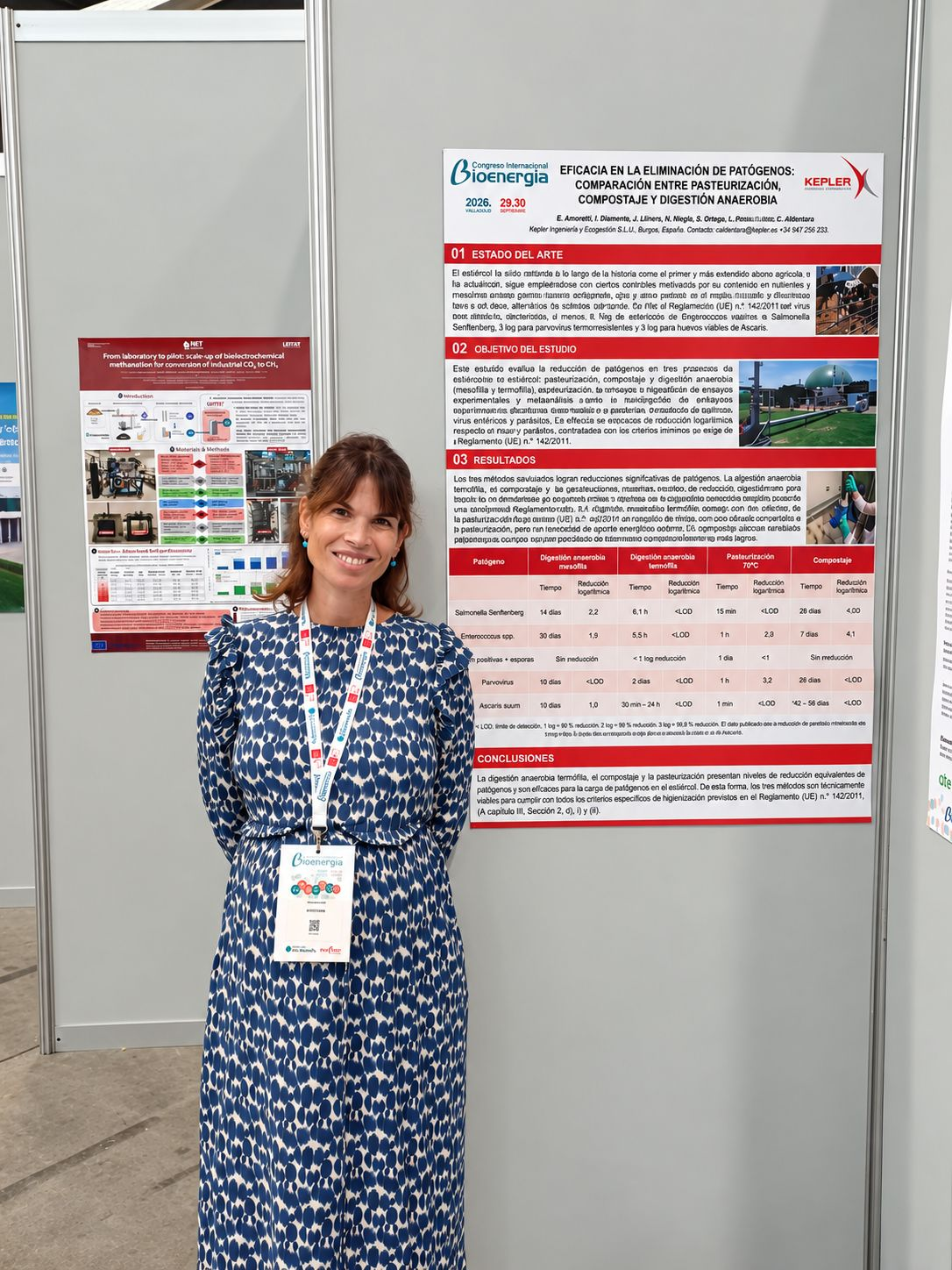
KEPLER Participates in the 19th International Bioenergy Congress, “Renewable Gases: Local Energy for a More Sustainable, Competitive and Resilient Economy”, and the Renewable Gas Trade Fair in Valladolid
Once again, KEPLER Ingeniería y Ecogestión has participated in the 19th International Bioenergy Congress, “Renewable Gases: Local Energy for a More Sustainable, Competitive and Resilient Economy”, held alongside the Renewable Gas Trade Fair in Valladolid. During the event, KEPLER had the opportunity to present a new specialized training initiative: the University Programme in Biogas Plant […]
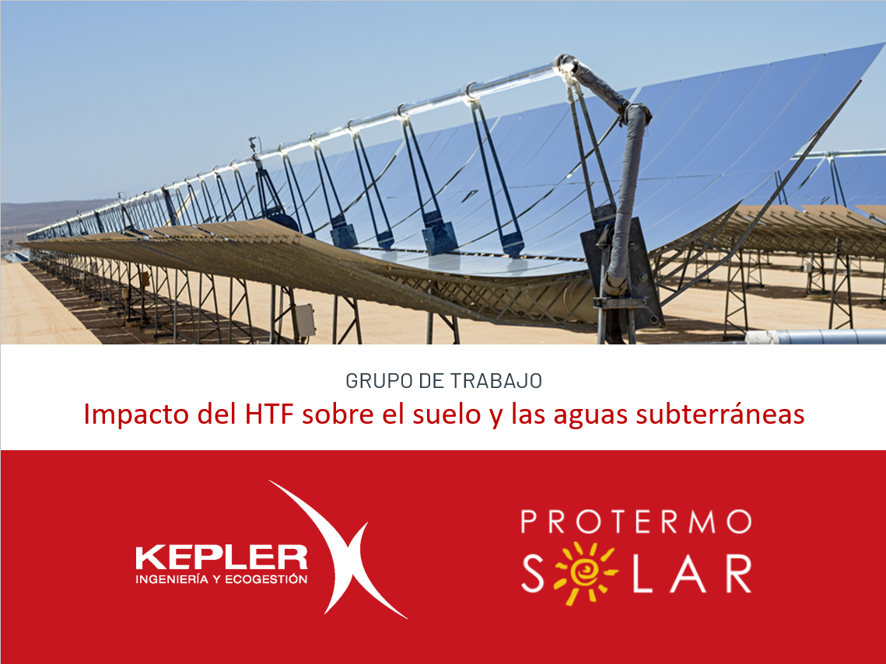
KEPLER addresses regulatory investigations into the Environmental Impacts of Heat Transfer Fluid (HTF) at the 3rd Session of the Protermosolar Working Group
KEPLER, Ingeniería y Ecogestión, participated as a speaker in the third session of the Protermosolar Working Group, sharing its expertise as an inspection body in the investigation and assessment of environmental impacts associated with concentrated solar power (CSP) facilities. Representing KEPLER, Jesús Osma Carmona, consultant and inspector at the Inspection Entity, delivered a presentation on […]