
Start of the BIOREM project
22 de January de 2025With the beginning of the new year, we have started the BIOREM project (Systems Biology, Artificial Intelligence and Advanced BiOtechnology Approaches to Improve Soil BioREMediation) in which KEPLER Ingeniería y Ecogestión, S.L. is part of the team of collaborators together with Wageningen University & Research; Jozef Stefan Institute; University of Surrey; Limnos Ltd and Universidad de Burgos ICCRAM, who assume the role of project coordinators.
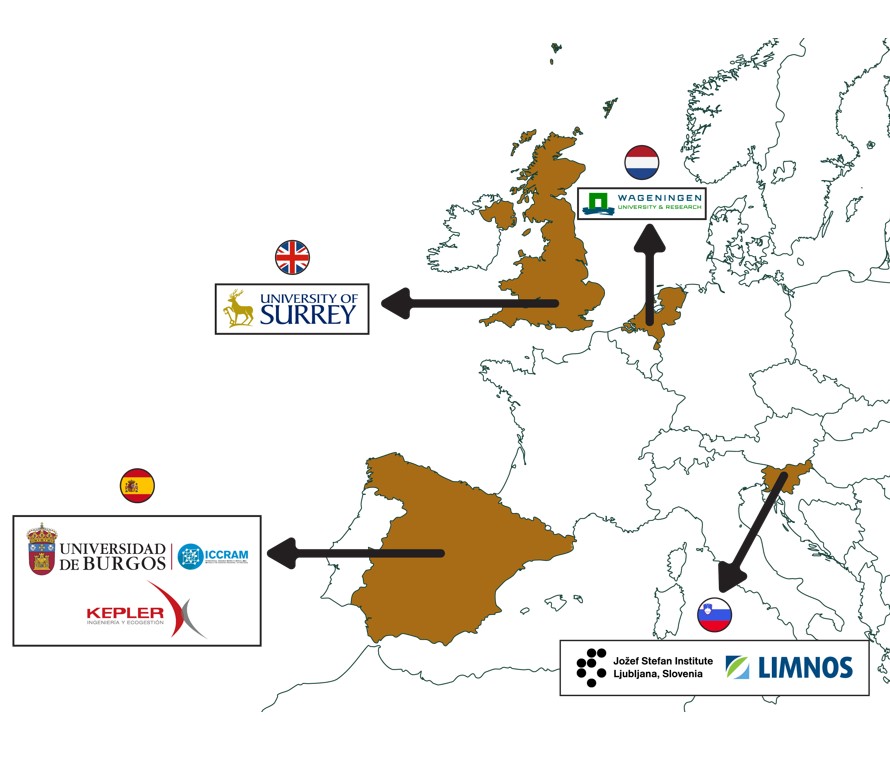
Over the next four years, the main functions of KEPLER will be the search for and characterisation of soils with different pollutants and the contribution of digestate from our biogas plants to evaluate its potential as a biostimulant in soil remediation. In order to promote the exchange of knowledge, there will also be international visits between the different members of the consortium.
Thank you to the whole team. We look forward to working with you.
Publicaciones más recientes
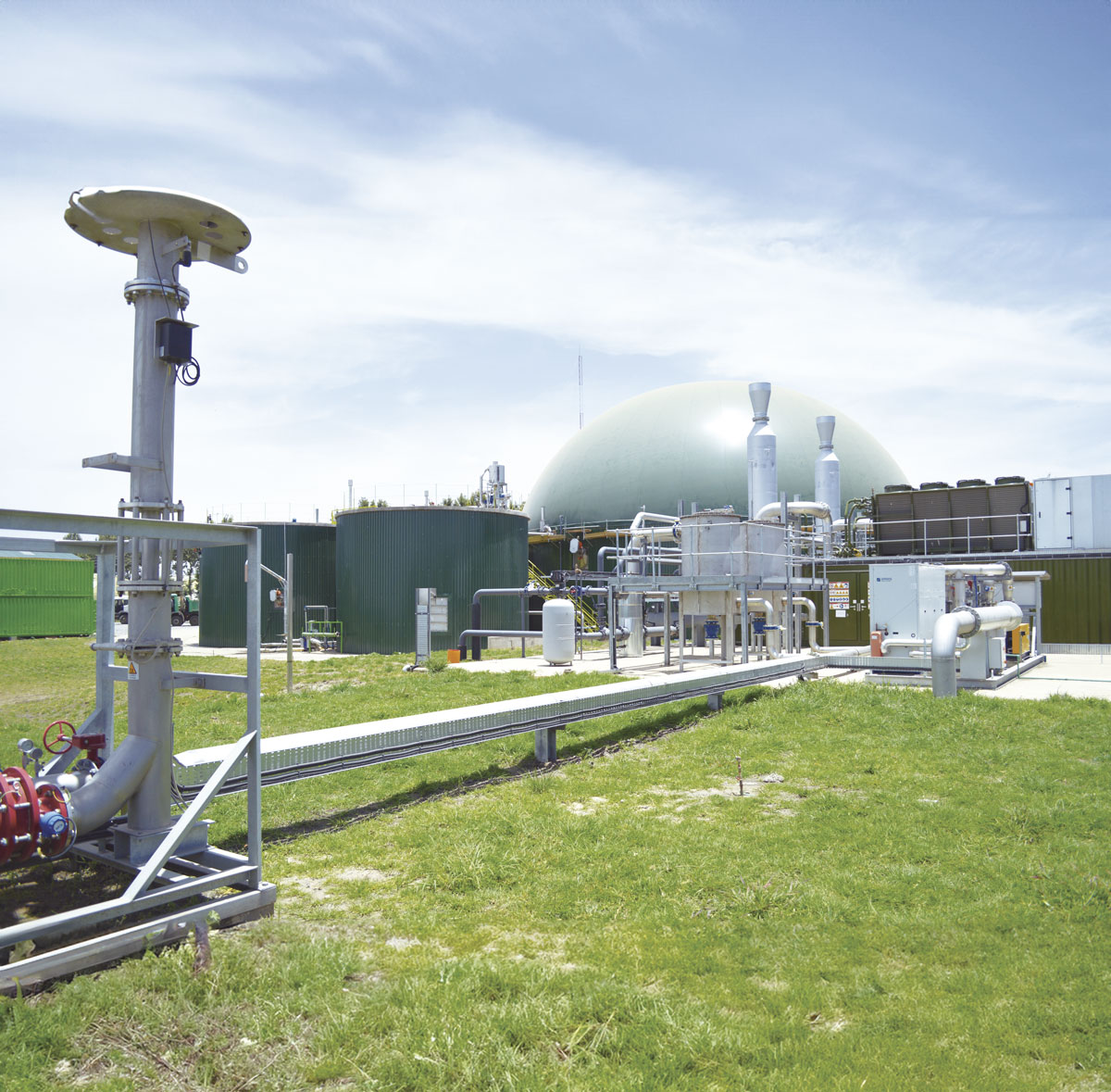
The Strategic Role of Biogas Plants in Agriculture, Livestock Farming, Energy and the Local Economy
Few types of infrastructure generate as much debate today as biogas plants. Numerous local residents’ groups have emerged in opposition to them, and many of their concerns are understandable. However, we believe the discussion has become polarized and is often based more on perceptions than on rigorous studies and reliable data. A constructive debate would […]
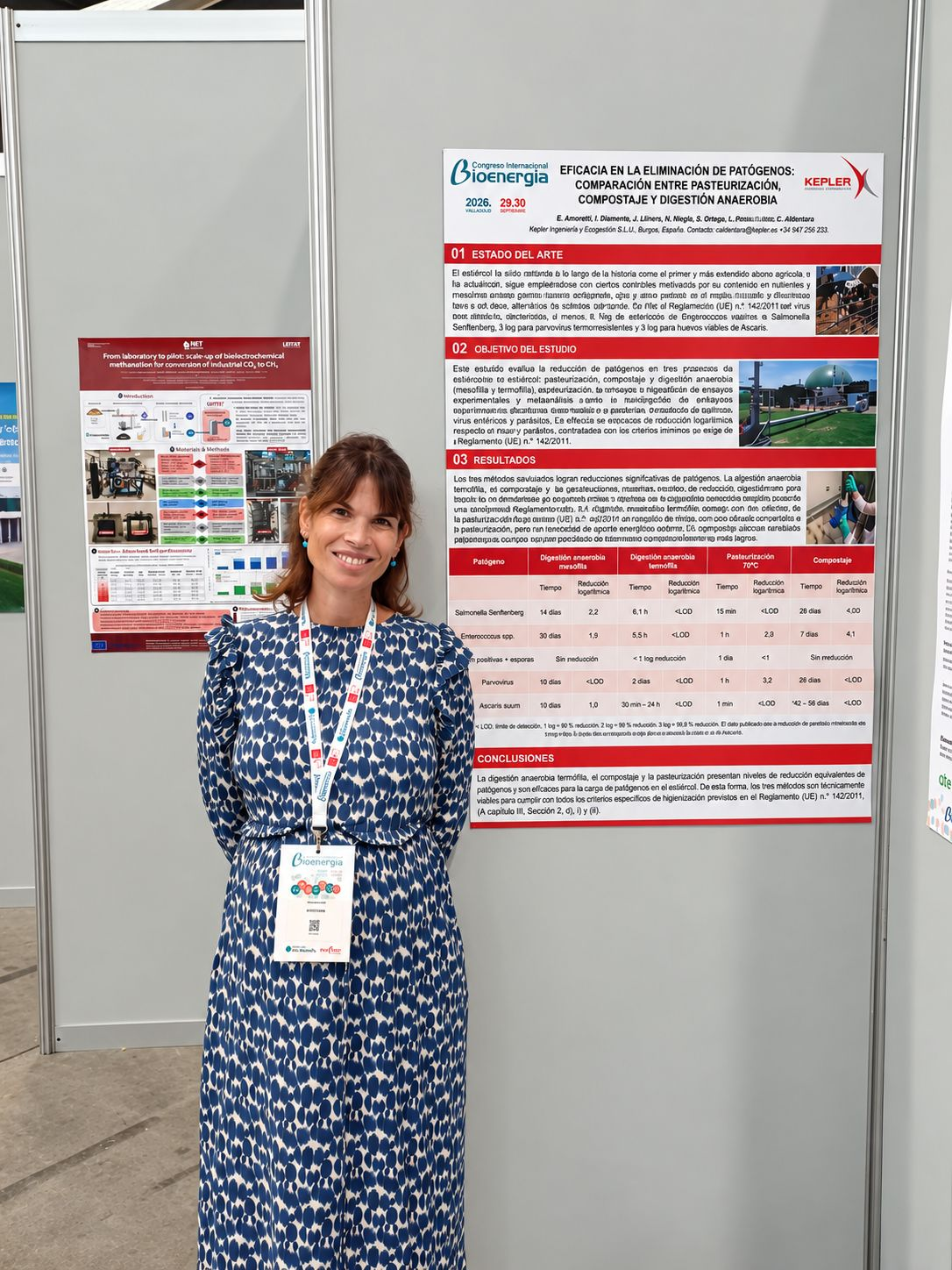
KEPLER Participates in the 19th International Bioenergy Congress, “Renewable Gases: Local Energy for a More Sustainable, Competitive and Resilient Economy”, and the Renewable Gas Trade Fair in Valladolid
Once again, KEPLER Ingeniería y Ecogestión has participated in the 19th International Bioenergy Congress, “Renewable Gases: Local Energy for a More Sustainable, Competitive and Resilient Economy”, held alongside the Renewable Gas Trade Fair in Valladolid. During the event, KEPLER had the opportunity to present a new specialized training initiative: the University Programme in Biogas Plant […]
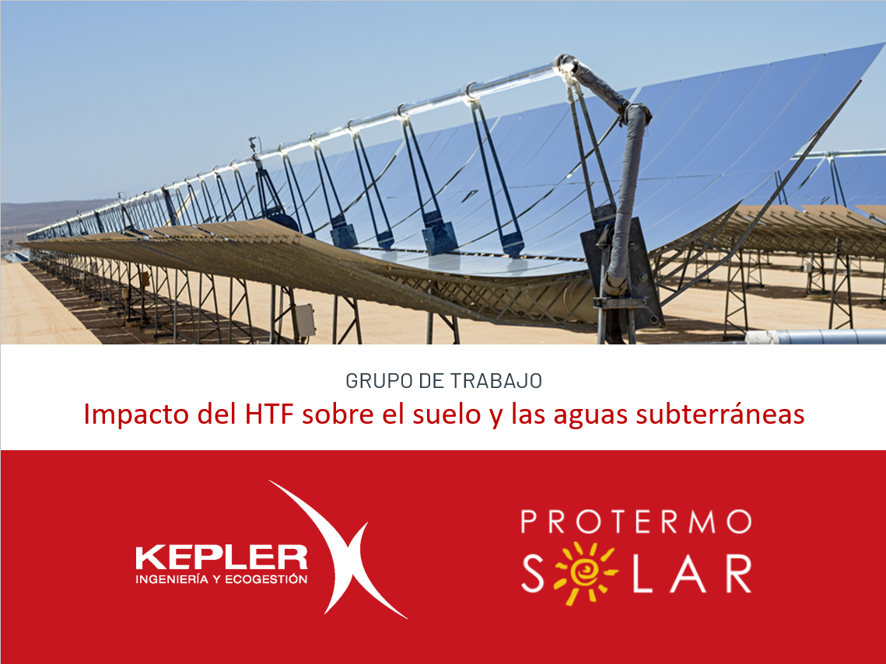
KEPLER addresses regulatory investigations into the Environmental Impacts of Heat Transfer Fluid (HTF) at the 3rd Session of the Protermosolar Working Group
KEPLER, Ingeniería y Ecogestión, participated as a speaker in the third session of the Protermosolar Working Group, sharing its expertise as an inspection body in the investigation and assessment of environmental impacts associated with concentrated solar power (CSP) facilities. Representing KEPLER, Jesús Osma Carmona, consultant and inspector at the Inspection Entity, delivered a presentation on […]