
The Council of Ministers approved the new RD 47/2022
14 de February de 2022On January 19, the Council of Ministers approved the new RD 47/2022, which establishes much more restrictive rules to promote the reduction of water pollution by nitrates from agricultural sources.
The problem lies in the excess of nitrates, in addition to other nutrients, present in groundwater and surface water from which the populations are supplied.
This excess causes a phenomenon known as eutrophication, which consists of excessive plant growth in water bodies as a result of excessive nutrient content (mainly nitrogen and phosphorus). This excessive growth of vegetation depletes the oxygen dissolved in the water body, causing the death of living organisms in them, with the consequent impoverishment and contamination of the water. This problem not only affects aquatic fauna, but also indirectly affects the different animal species that use these waters for their survival.
The main cause of the presence of nitrates in water bodies is mainly due to excessive agricultural fertilization activities, poor agro-livestock waste management practices, industrial activity and atmospheric pollution.
Excess nitrates deposited on the surface are carried by precipitation to surface water bodies or allow their rapid infiltration into groundwater bodies, where the process is initiated.
One of the causes of the appearance of nitrates in pig farming areas is the intensive application of slurry on agricultural fields in the past.
This has caused certain areas of the national geography to be considered vulnerable due to nitrites, given the high concentrations of this compound in them. In these areas, the application of nitrogen per hectare is currently limited in an attempt to recover them. With the application of this RD, the aim is to limit and put a stop to this type of practices, which will undoubtedly be a limiting factor for the management of livestock manure from a large number of farms. It is therefore now a great opportunity for independent livestock farmers to establish synergies with other producers of agro-livestock waste in order to valorize and take advantage of their own waste through the process of anaerobic digestion. Through this technology, they will be able to:
- Process their waste, obtaining biogas, which will allow them to produce heat in a boiler, electricity and thermal energy through a cogeneration engine or to obtain biomethane for injection into the Spanish gas grid.
- To obtain a by-product of the process, known as digestate, with fertilizing conditions far superior to fresh livestock manure, since in the digestate the nutrients are in bioavailable chemical forms (more easily assimilated) for the crops,
- Reduce its independence from third parties, both for waste management and energy production.
Thanks to this technology, the current problem faced by livestock farmers becomes an opportunity, a benefit and a help to combat climate change. At Kepler Ingeniería y Ecogestión, we advise and help our clients to develop biogas plant projects, adapting the process to each specific case. We cover the entire value chain of a biogas project, from design according to given specifications, to construction and operation and maintenance, i.e. turnkey projects. In turn, from our biotechnological laboratory we carry out feasibility tests prior to the design in order to optimize the installation, ensuring the highest profitability of the process in the market.
Publicaciones más recientes
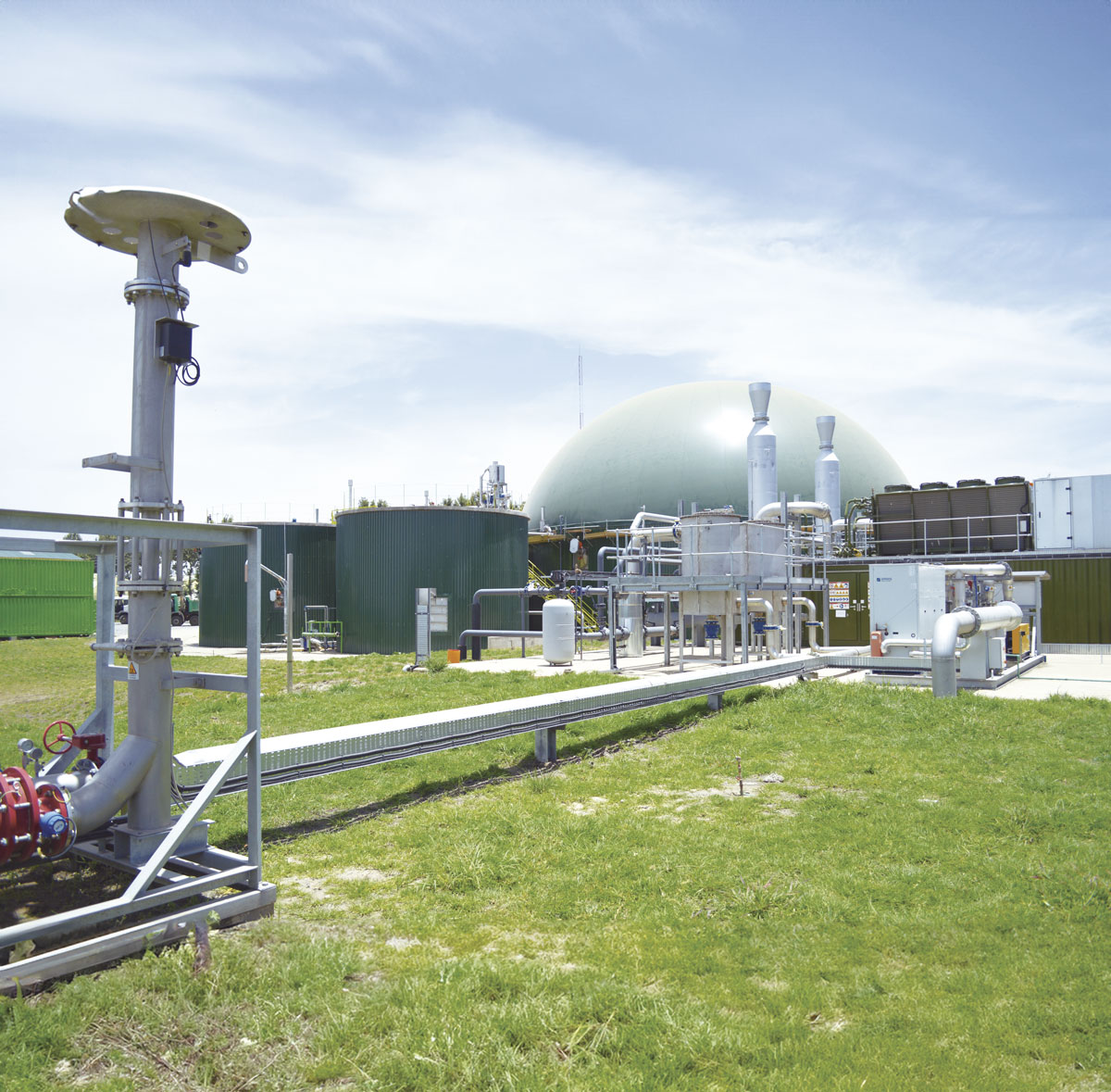
The Strategic Role of Biogas Plants in Agriculture, Livestock Farming, Energy and the Local Economy
Few types of infrastructure generate as much debate today as biogas plants. Numerous local residents’ groups have emerged in opposition to them, and many of their concerns are understandable. However, we believe the discussion has become polarized and is often based more on perceptions than on rigorous studies and reliable data. A constructive debate would […]
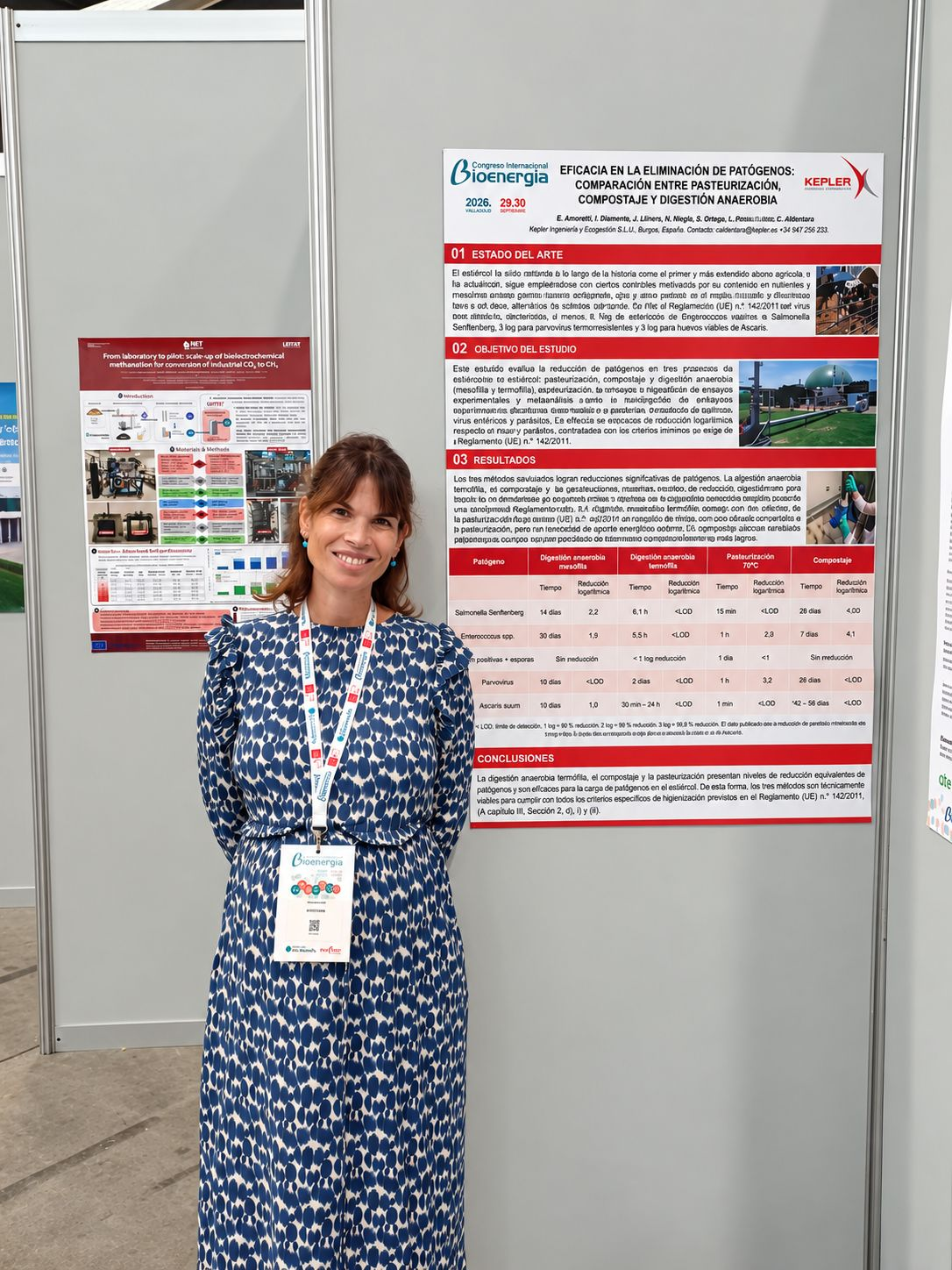
KEPLER Participates in the 19th International Bioenergy Congress, “Renewable Gases: Local Energy for a More Sustainable, Competitive and Resilient Economy”, and the Renewable Gas Trade Fair in Valladolid
Once again, KEPLER Ingeniería y Ecogestión has participated in the 19th International Bioenergy Congress, “Renewable Gases: Local Energy for a More Sustainable, Competitive and Resilient Economy”, held alongside the Renewable Gas Trade Fair in Valladolid. During the event, KEPLER had the opportunity to present a new specialized training initiative: the University Programme in Biogas Plant […]
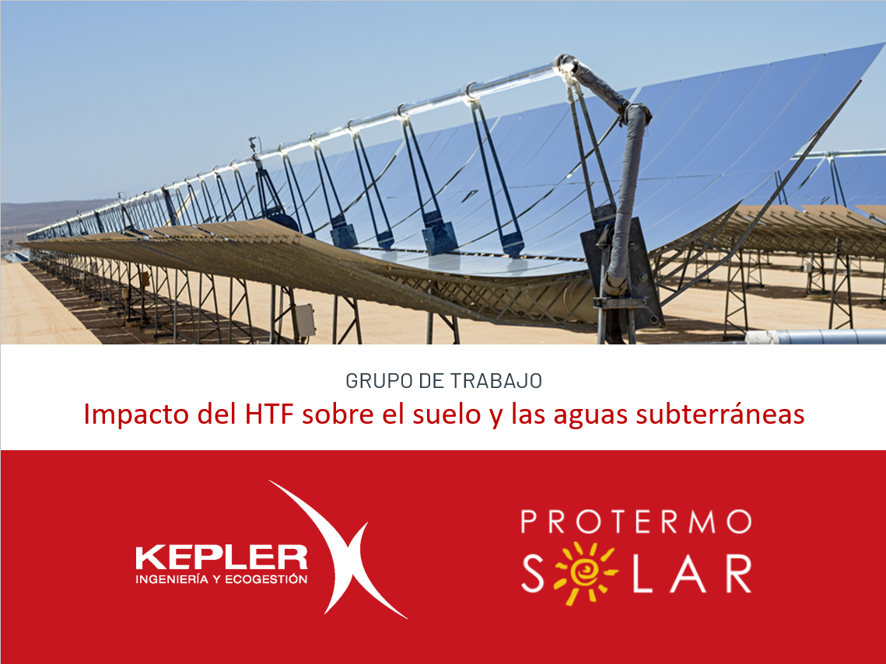
KEPLER addresses regulatory investigations into the Environmental Impacts of Heat Transfer Fluid (HTF) at the 3rd Session of the Protermosolar Working Group
KEPLER, Ingeniería y Ecogestión, participated as a speaker in the third session of the Protermosolar Working Group, sharing its expertise as an inspection body in the investigation and assessment of environmental impacts associated with concentrated solar power (CSP) facilities. Representing KEPLER, Jesús Osma Carmona, consultant and inspector at the Inspection Entity, delivered a presentation on […]