
The new EU Soil Monitoring Directive: a decisive step towards soil health in Europe
26 de November de 2025Over 25% of the planet’s biodiversity lives beneath our feet, and soil fertility is directly or indirectly responsible for 95% of the food we consume.
Based on this data and in response to the threats to the health of our soils, Directive (EU) 2025/2360 of the European Parliament and of the Council of 12 November 2025 on soil monitoring and resilience (the Soil Monitoring Directive) was published on 26 November 2025.
This mandate for Member States, the most ambitious in the field of soil protection, is part of the EU Soil Protection Strategy, which has a target date of 2030.
The Directive establishes a harmonised framework for monitoring and assessing soil status based on the following obligations:
- Soil districts and units. Creation of soil districts and units on which to establish sampling and assessment systems, as well as the establishment of measurable descriptors for identifying healthy soils versus contaminated soils.
- List of pollutants. Preparation of a list of pollutants that includes, among other compounds, pesticides, PFAs, and emerging pollutants whose presence must be monitored based on their toxicity, persistence, or mobility.
- Inventories of contaminated soils. Establishment of national registers, accessible to the public, including contaminated sites.
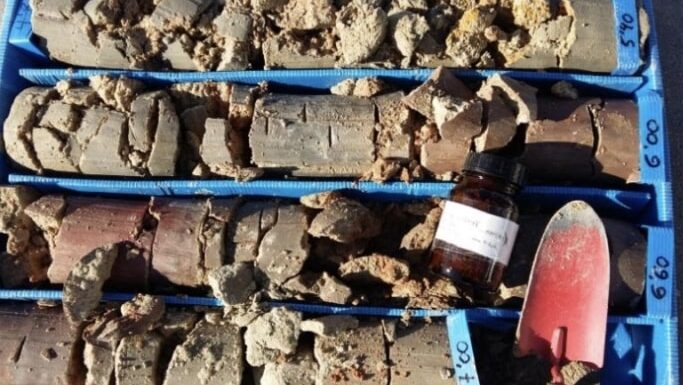
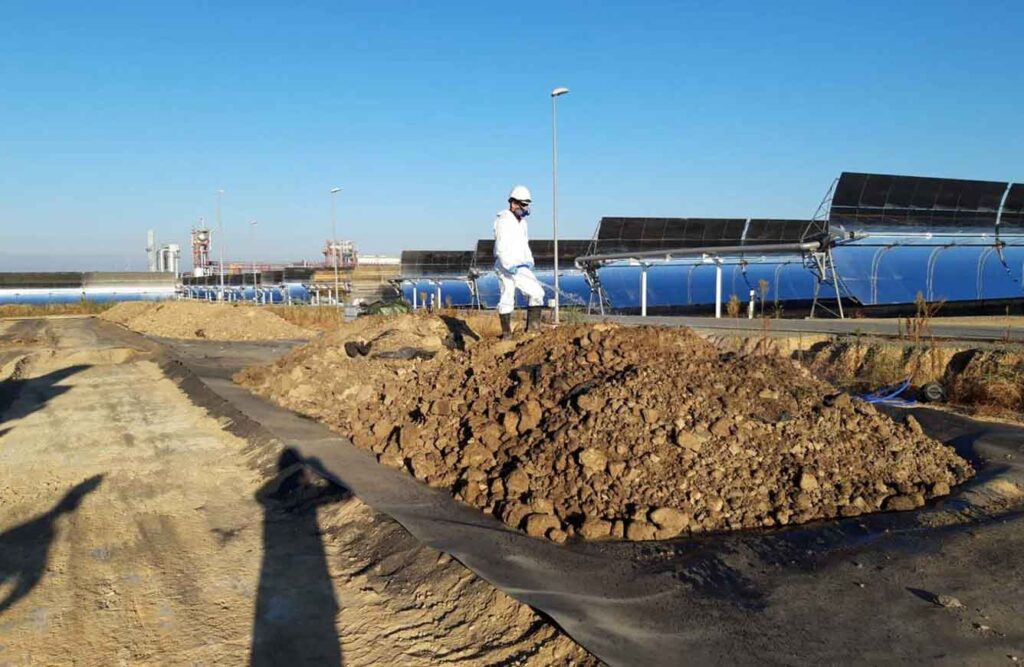
In an innovative move, the Directive incorporates the monitoring of urban land use. In line with the European No Net Land Take 2050 target, mitigation measures such as de-sealing, restoration of previously sealed soils and sustainable urban densification are included.
Overall, the regulation fills a long-standing regulatory gap in the environmental field, which until now has focused on areas such as water, air and waste. Member States will have until 17 December 2028 to adapt their laws, regulations and administrative provisions to the new obligations imposed by the Directive.
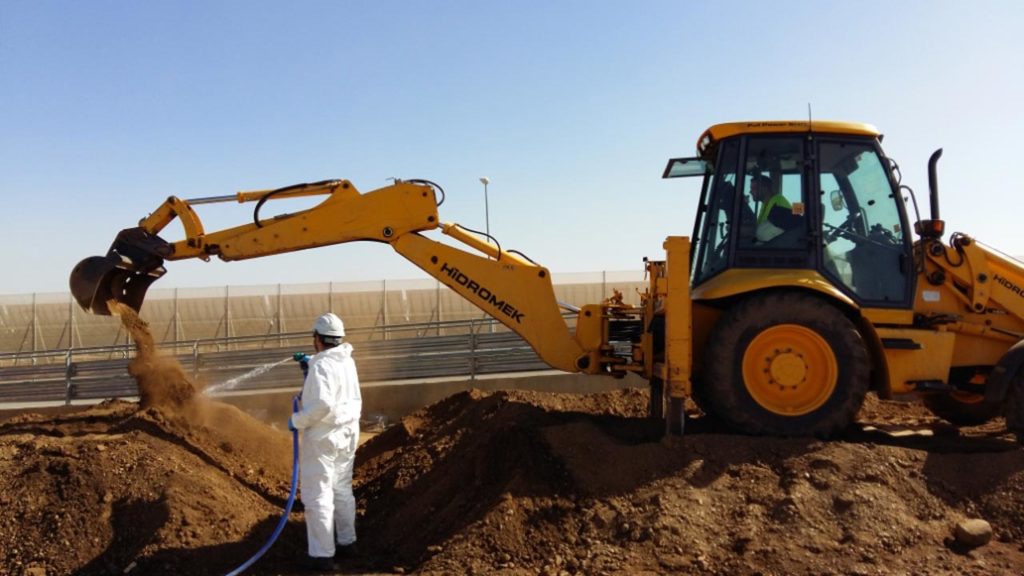
At KEPLER, we have been assisting organisations for 30 years in analysing risks arising from potential soil contamination, preparing environmental due diligence, drafting technical reports and implementing bioremediation projects.
Publicaciones más recientes
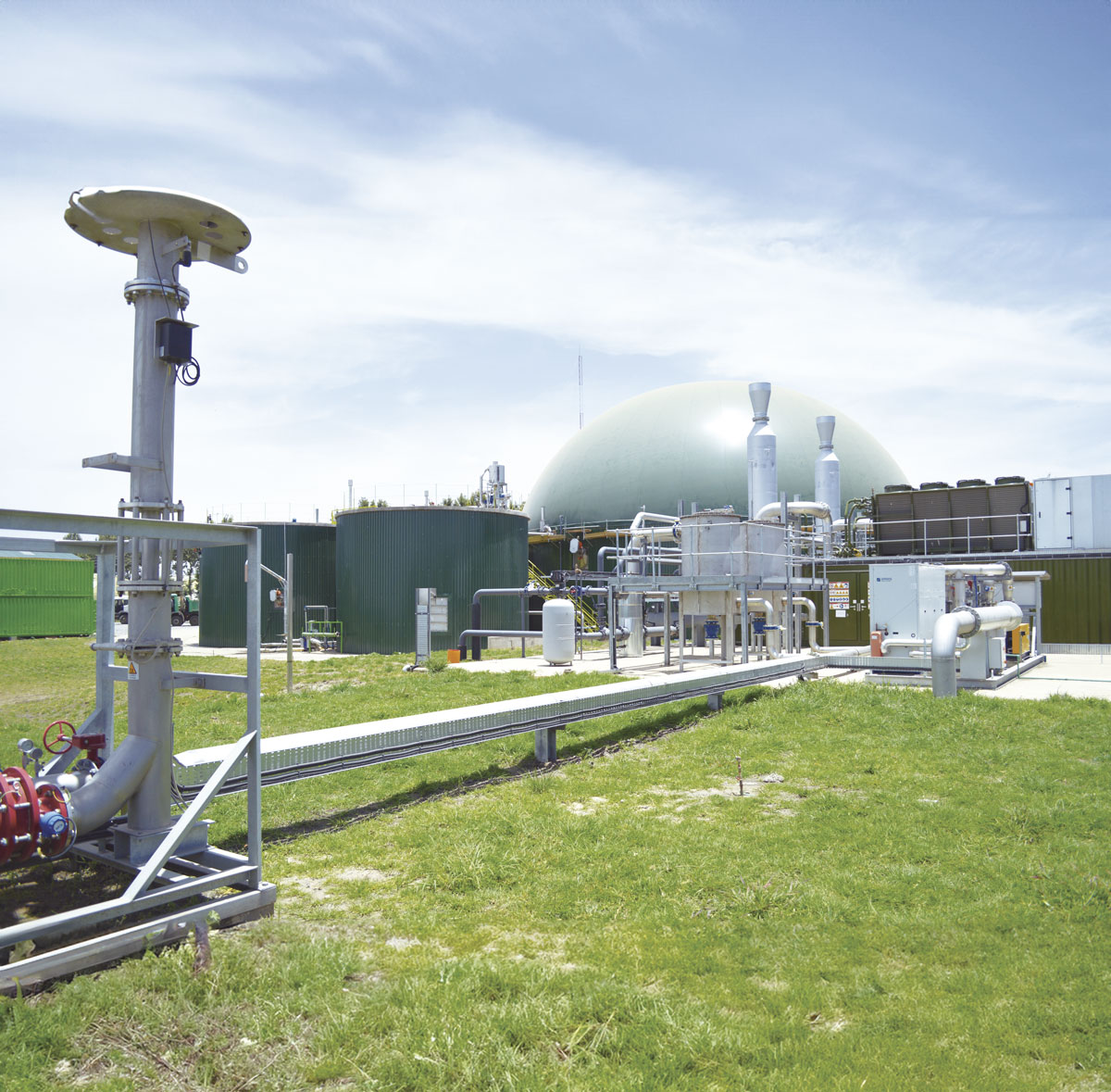
The Strategic Role of Biogas Plants in Agriculture, Livestock Farming, Energy and the Local Economy
Few types of infrastructure generate as much debate today as biogas plants. Numerous local residents’ groups have emerged in opposition to them, and many of their concerns are understandable. However, we believe the discussion has become polarized and is often based more on perceptions than on rigorous studies and reliable data. A constructive debate would […]
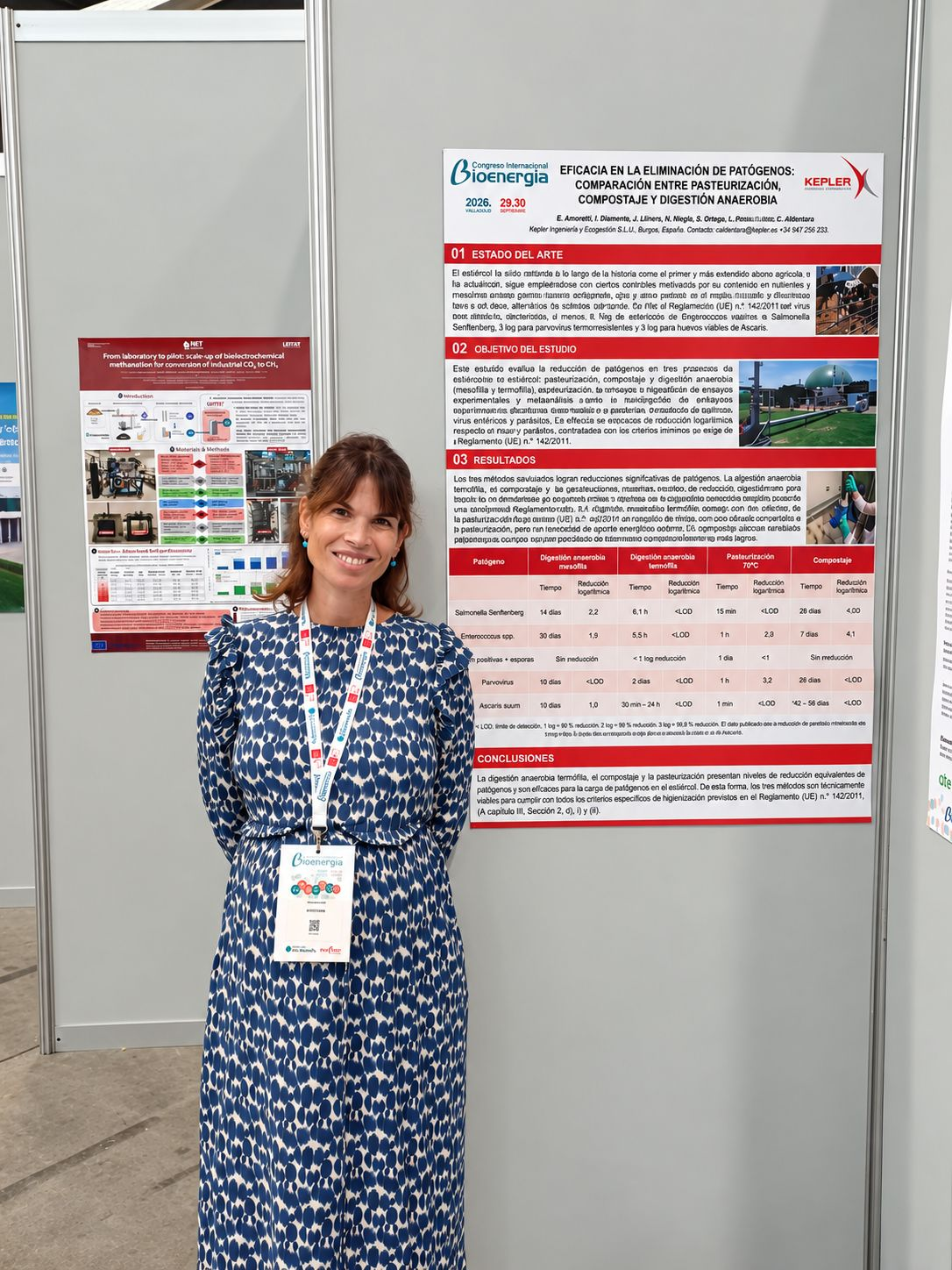
KEPLER Participates in the 19th International Bioenergy Congress, “Renewable Gases: Local Energy for a More Sustainable, Competitive and Resilient Economy”, and the Renewable Gas Trade Fair in Valladolid
Once again, KEPLER Ingeniería y Ecogestión has participated in the 19th International Bioenergy Congress, “Renewable Gases: Local Energy for a More Sustainable, Competitive and Resilient Economy”, held alongside the Renewable Gas Trade Fair in Valladolid. During the event, KEPLER had the opportunity to present a new specialized training initiative: the University Programme in Biogas Plant […]
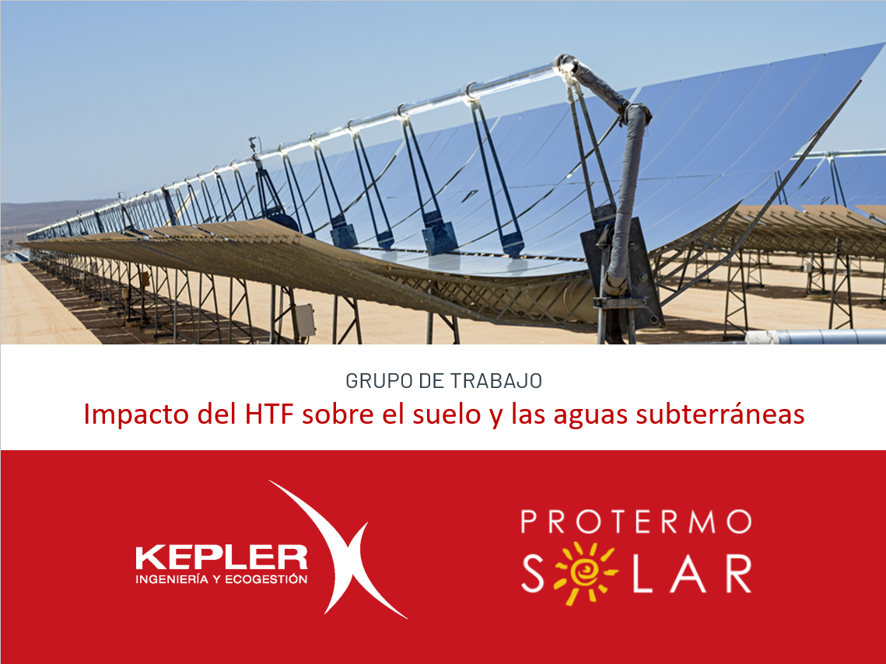
KEPLER addresses regulatory investigations into the Environmental Impacts of Heat Transfer Fluid (HTF) at the 3rd Session of the Protermosolar Working Group
KEPLER, Ingeniería y Ecogestión, participated as a speaker in the third session of the Protermosolar Working Group, sharing its expertise as an inspection body in the investigation and assessment of environmental impacts associated with concentrated solar power (CSP) facilities. Representing KEPLER, Jesús Osma Carmona, consultant and inspector at the Inspection Entity, delivered a presentation on […]