
ATP quantification as a tool for microbiological activity monitoring
30 de March de 2022ATP or Adenosine Triphosphate is a nucleotide that is present in all organisms, representing their main source of energy to carry out cellular processes (Figure 1). The presence of this molecule is associated with the existence of living cells, since once it is released into the extracellular medium, ATP is rapidly degraded. Therefore, ATP measurement is used as an indicator of the living biomass in a system.

The analysis for ATP quantification is based on the principle of bioluminescence through an enzymatic reaction catalyzed by the enzyme luciferase that uses the chemical energy contained in the ATP molecule to produce the oxidative decarboxylation of luciferin to oxyluciferin (Figure 2).
As a result of ATP dephosphorylation, light is emitted and measured in a luminometer. The values are recorded in Relative Light Units (URL) and finally expressed as units of total microbiological load (pg/mL). In this way, the light intensity is directly proportional to the amount of ATP present in the sample and therefore to its biological activity.
The great advantage of this technique is the ability to quantify the activity of all the biota present in the sample, offering results in minutes, unlike traditional techniques used for the quantification of the bioburden present in environmental samples, such as plate seeding.

Therefore, ATP measurement is now widely used in the food industry to verify the absence of biological activity on surfaces or in wash water after disinfection processes.
However, there are no standardized procedures for using ATP measurement in the environmental field. In bioremediation projects, what is intended, contrary to food quality controls, is an increase in ATP concentration associated with the stimulation of the growth of microbial populations involved in the degradation processes of the target pollutant. Therefore, the samples have very high microbiological loads that are outside the measurement range of traditional ATP equipment.

In this context, the KEPLER research team has carried out this last year the development and validation of an internal procedure adapted to the nature of the environmental samples. This procedure is based on a pretreatment in order to condition the different matrices and eliminate interferences during the enzymatic reaction. Its validation has made it possible to incorporate ATP quantification as a technique for monitoring microbiological activity in decontamination processes into KEPLER’s portfolio of biotechnological laboratory services.
In this context, the monitoring of microbiological performance is a key parameter during bioremediation projects since the metabolic activity of the specific bacteria for contaminant degradation is directly related to the rate of contaminant removal. Therefore, a good control on the activity of the bacterial populations involved in the biodegradation process allows to quickly detect and correct deviations in the trend of the microbiological performance, maximizing the efficiency of this biotechnology for each scenario.
Publicaciones más recientes
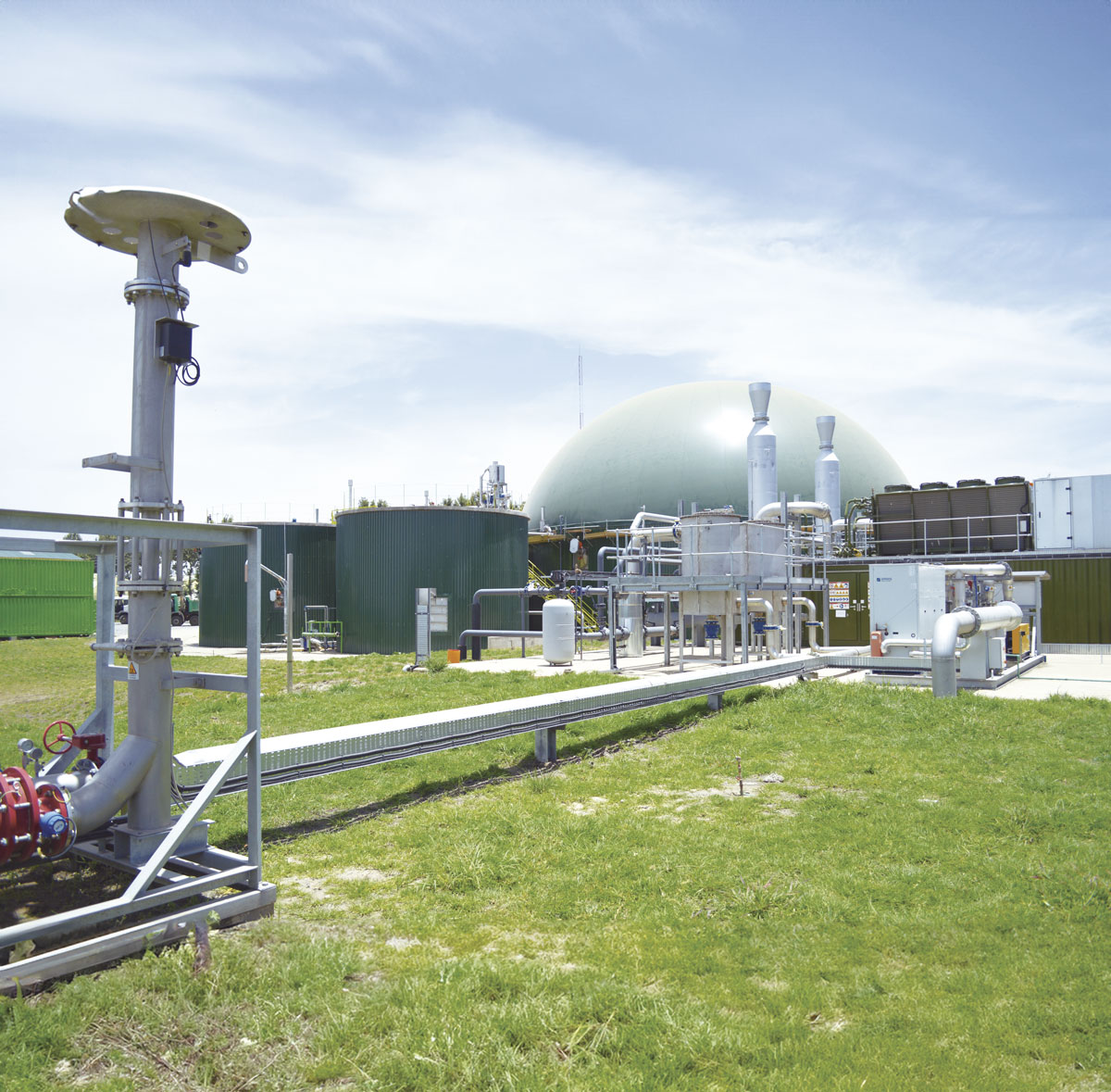
The Strategic Role of Biogas Plants in Agriculture, Livestock Farming, Energy and the Local Economy
Few types of infrastructure generate as much debate today as biogas plants. Numerous local residents’ groups have emerged in opposition to them, and many of their concerns are understandable. However, we believe the discussion has become polarized and is often based more on perceptions than on rigorous studies and reliable data. A constructive debate would […]

KEPLER Participates in the 19th International Bioenergy Congress, “Renewable Gases: Local Energy for a More Sustainable, Competitive and Resilient Economy”, and the Renewable Gas Trade Fair in Valladolid
Once again, KEPLER Ingeniería y Ecogestión has participated in the 19th International Bioenergy Congress, “Renewable Gases: Local Energy for a More Sustainable, Competitive and Resilient Economy”, held alongside the Renewable Gas Trade Fair in Valladolid. During the event, KEPLER had the opportunity to present a new specialized training initiative: the University Programme in Biogas Plant […]
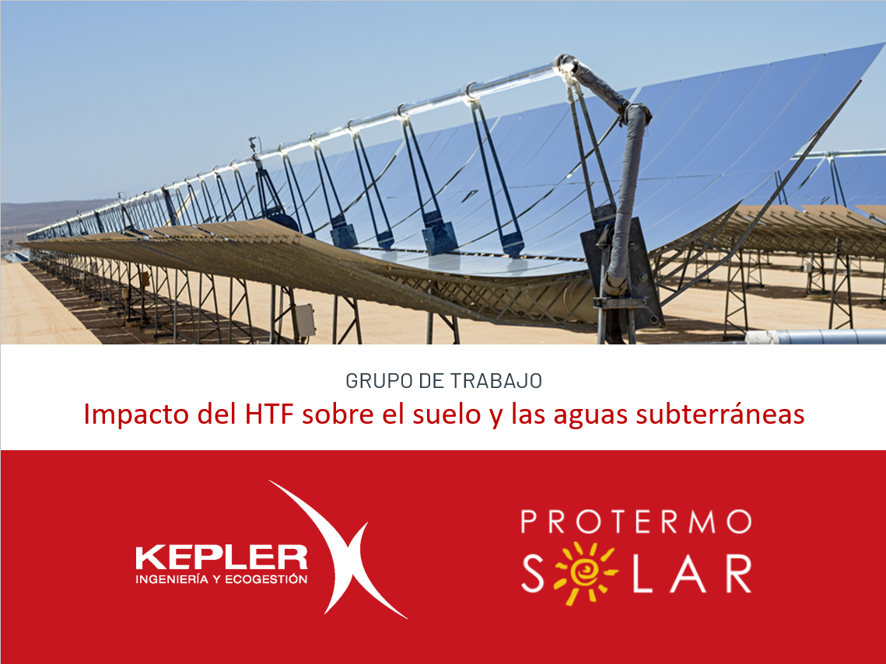
KEPLER addresses regulatory investigations into the Environmental Impacts of Heat Transfer Fluid (HTF) at the 3rd Session of the Protermosolar Working Group
KEPLER, Ingeniería y Ecogestión, participated as a speaker in the third session of the Protermosolar Working Group, sharing its expertise as an inspection body in the investigation and assessment of environmental impacts associated with concentrated solar power (CSP) facilities. Representing KEPLER, Jesús Osma Carmona, consultant and inspector at the Inspection Entity, delivered a presentation on […]