
CIRCULAR ON THE GUIDE ON BEST AVAILABLE TECHNIQUES FOR SOIL DECONTAMINATION – JUNTA DE ANDALUCÍA
11 de March de 2024Kepler Ingeniería y Ecogestión has participated, as technical advisor, in the elaboration of the “Guide of the best available techniques for soil decontamination” approved by the Department of Sustainability, Environment and Blue Economy of the Regional Government of Andalusia (the “Guide“)[1].
On the occasion of its publication, our colleagues Justo Tenorio, Cynthia Alcántara y Rosa Enrique have summarized the purpose and content of the Guide in this newsletter.
[1] The Guide is available at the following link: https://www.juntadeandalucia.es/medioambiente/portal/landing-page-documento/-/asset_publisher/jXKpcWryrKar/content/gu-c3-ada-de-las-mejores-t-c3-a9cnicas-disponibles-para-la-descontaminaci-c3-b3n-de-suelos/20151
Object
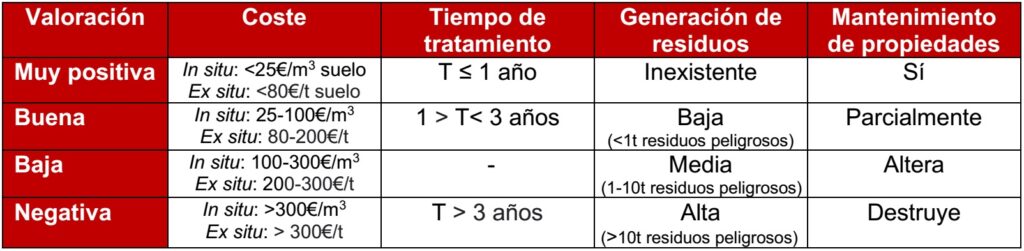
Current soil regulations require justification of the technique chosen to manage and remediate contaminated soil. The Guide is a technical document that seeks to help operators identify available decontamination techniques, as well as prioritization criteria based on, among other factors, treatment time, waste generation, maintenance of soil properties and cost.
Scope
The Guide focuses exclusively on soils. Therefore, it only includes techniques applicable to soil or water treatment when soil or water is affected and such techniques are strictly necessary to decontaminate the soil.
Content
The Guide includes in a didactic and rigorous way:
- A list of the main factual elements that condition and determine the type of technique to be used and, therefore, the design of the decontamination project: soil type, contaminant, soil-pollutant interaction, waste generation, long-term effectiveness and sensitivity of the environment.
- Categorization of pollutant types according to their organic or inorganic nature.
- A description of the main treatment techniques available , detailing for each one: its field of application, its cost, the treatment period and the environmental aspects to be considered.
- Criteria and decision trees to select the Best Available Technique (BAT). This involves identifying which techniques are feasible and applicable based on the factual elements of the specific case and then the advantages and disadvantages of each technique.
General qualitative assessment criteria to identify BAT by its descriptive characteristics. The generic assessment table included in the Guide is attached as Annex I.
Annex I. Table. Ratings for each characteristic category of the technique.
Publicaciones más recientes
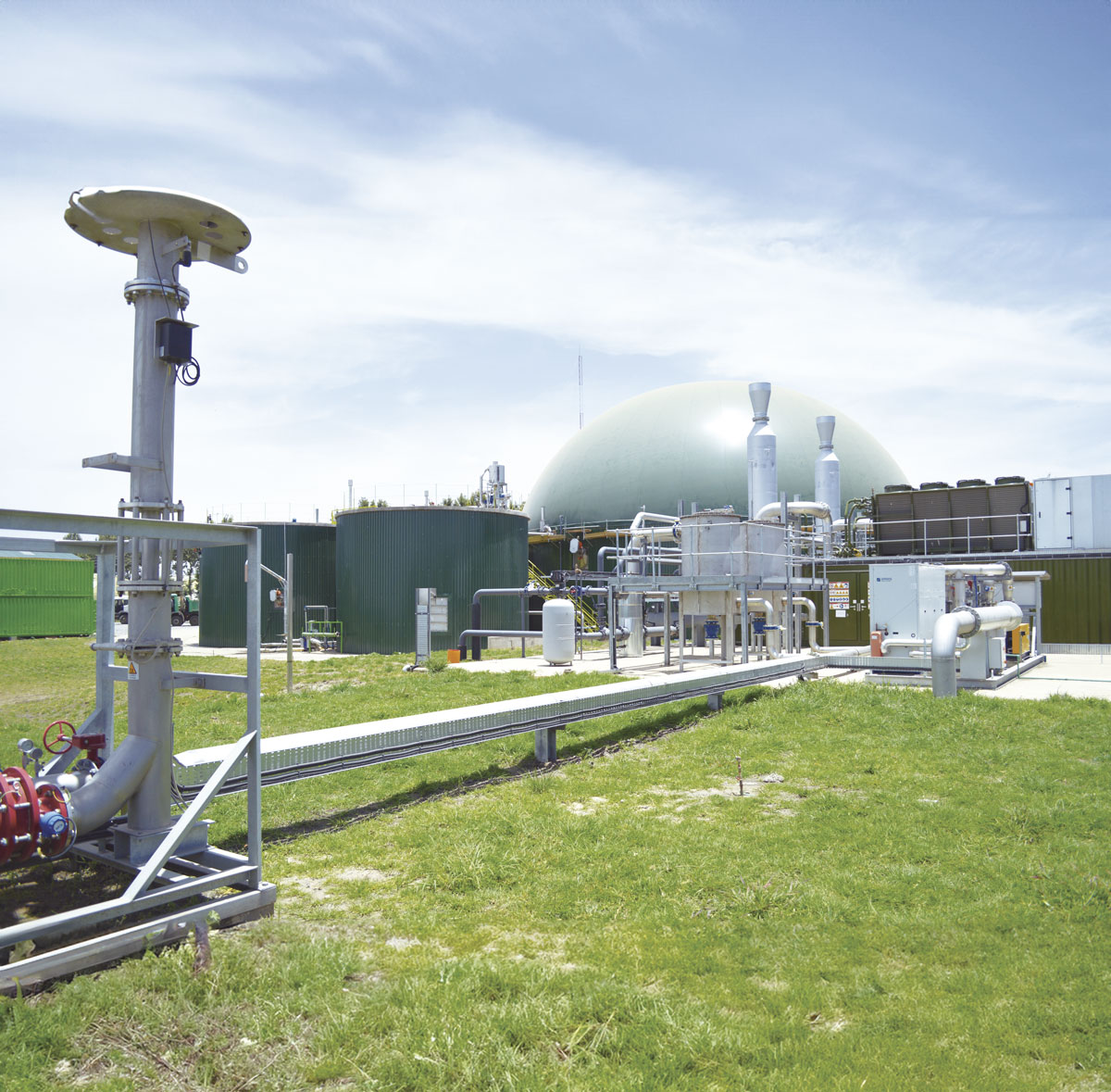
The Strategic Role of Biogas Plants in Agriculture, Livestock Farming, Energy and the Local Economy
Few types of infrastructure generate as much debate today as biogas plants. Numerous local residents’ groups have emerged in opposition to them, and many of their concerns are understandable. However, we believe the discussion has become polarized and is often based more on perceptions than on rigorous studies and reliable data. A constructive debate would […]
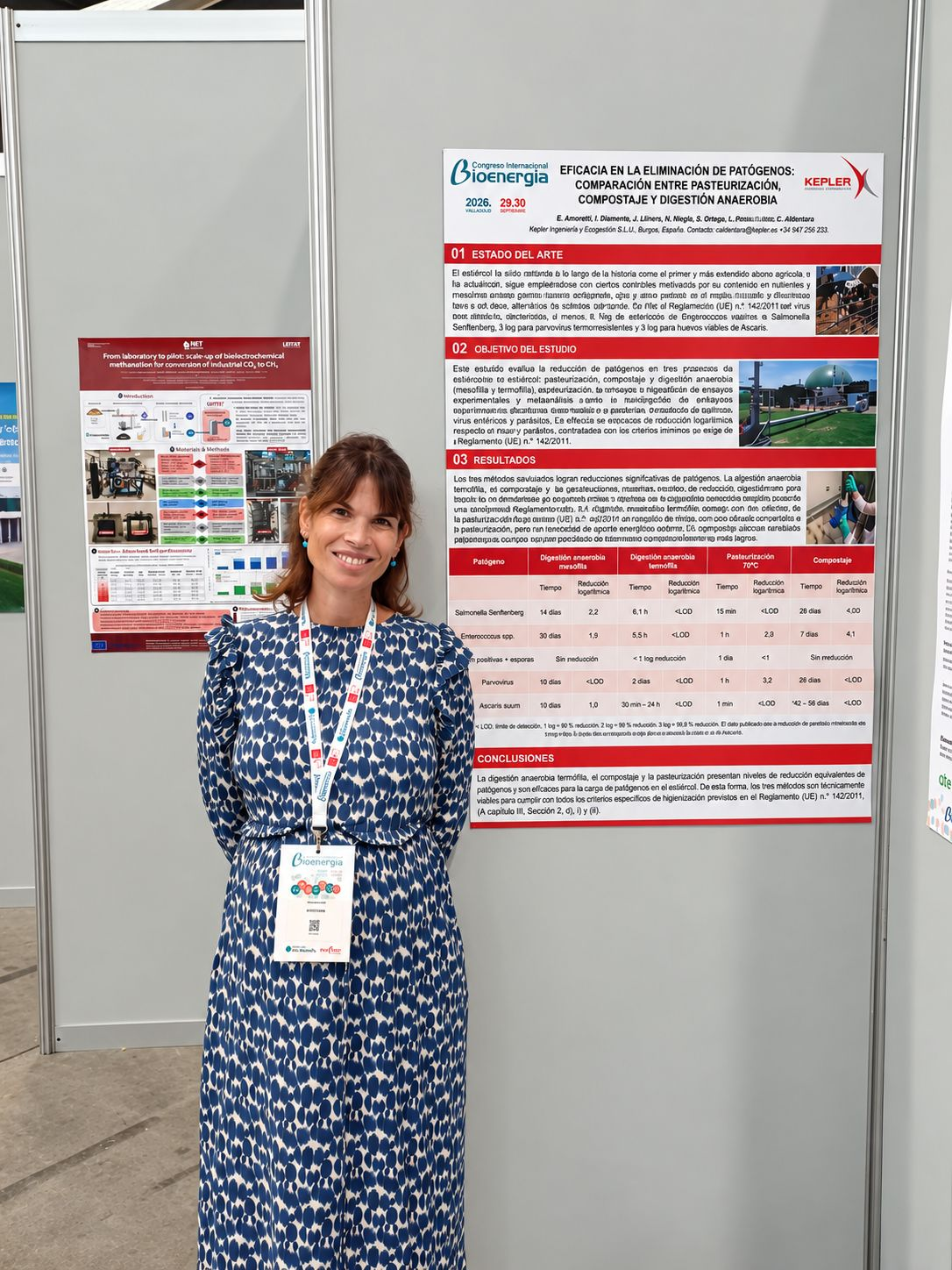
KEPLER Participates in the 19th International Bioenergy Congress, “Renewable Gases: Local Energy for a More Sustainable, Competitive and Resilient Economy”, and the Renewable Gas Trade Fair in Valladolid
Once again, KEPLER Ingeniería y Ecogestión has participated in the 19th International Bioenergy Congress, “Renewable Gases: Local Energy for a More Sustainable, Competitive and Resilient Economy”, held alongside the Renewable Gas Trade Fair in Valladolid. During the event, KEPLER had the opportunity to present a new specialized training initiative: the University Programme in Biogas Plant […]
KEPLER addresses regulatory investigations into the Environmental Impacts of Heat Transfer Fluid (HTF) at the 3rd Session of the Protermosolar Working Group
KEPLER, Ingeniería y Ecogestión, participated as a speaker in the third session of the Protermosolar Working Group, sharing its expertise as an inspection body in the investigation and assessment of environmental impacts associated with concentrated solar power (CSP) facilities. Representing KEPLER, Jesús Osma Carmona, consultant and inspector at the Inspection Entity, delivered a presentation on […]